LISTEN TO OUR PODCAST!
"The ocean is at the heart of our planet’s well being - its story is still being written and we can shape its future together"
about the podcast
discover the future ocean podcast
The Future Ocean Podcast, hosted by the World Maritime University (WMU) - Sasakawa Global Ocean Institute, explores the triple planetary crisis — climate change, biodiversity loss, and pollution — with a special focus on the areas beyond national jurisdiction (the high seas).
By amplifying voices from academia, international organizations, industry, and civil society, this podcast highlights ongoing efforts and emerging solutions to protect the future of our ocean.
The World Maritime University is established within the framework of the International Maritime Organization, a specialized agency of the United Nations. The podcast is part of the Future Ocean Programme, a research initiative generously funded by The Nippon Foundation.
future ocean podcast
vision and aim
01 Showcase the Future Ocean Programme Research
Present and communicate the key research, insights, and outcomes of the Future Ocean Programme (2024–2028) in an accessible and engaging format.
02 Raise Awareness of the Triple Planetary Crisis
Increase public and stakeholder understanding of climate change, biodiversity loss, and pollution, with a focus on their impacts on the ocean and areas beyond national jurisdiction.
03 Foster Dialogue and Knowledge Exchange
Create a platform for meaningful conversations, group discussions, and knowledge sharing among academia, policymakers, industry, and civil society.
04 Amplify Diverse Voices and Solutions
Highlight perspectives and innovative solutions from a wide range of stakeholders working to improve ocean governance and sustainability.
future ocean podcast
available episodes
the future ocean programme:
shaping the ocean story
Discover the Future Ocean Programme and its four research pillars, with expert perspectives from the WMU-Sasakawa Global Ocean Institute team on shaping innovative high seas governance for a sustainable ocean future.
the role of non-state actors in shaping international law:
youth engagement and response to plastic pollution
Explore how non-state actors, particularly youth, can influence international law and shaping global responses to plastic pollution, with insights from Dr. Aleke Stöfen-O’Brien and youth delegate Josefa Bayer at the INC-5.2 negotiations in Geneva.
how to build a collaborative data ecosystem
PART OF A WORKSHOP ORGANIZED AND SUPPORTED BY THE NIPPON FOUNDATION-GEBCO AT THE ECONOMIST 13TH ANNUAL WORLD OCEAN SUMMIT & EXPO
Despite rapid progress under the United Nations Ocean Decade, the ocean-mapping community continues to face critical barriers, including fragmented data collection and siloed access systems. What is needed to build a more integrated, accessible, and effective ocean data ecosystem?
bbnj agreement
and early carrer scholars in ocean governance
Be inspired by non-professorial and early-career scholars in Ocean Governance and how they started their journey as academics. Learn as well about the BBNJ Agreement and what changes for the international community after its entering into force.
the future of ocean governance:
discussing time and other matters
Dive into the future of ocean governance, examining past successes and failures and exploring different plausible futures to inform present decision-making processes, toward sustainable, just and equitable ocean governance. “Why does thinking about the future matter?”
Meet The team
The podcast is hosted by the Future Ocean Programme team, a research programme of the World Maritime University (WMU) - Sasakawa Global Ocean Institute.
RESEARCH TEAM
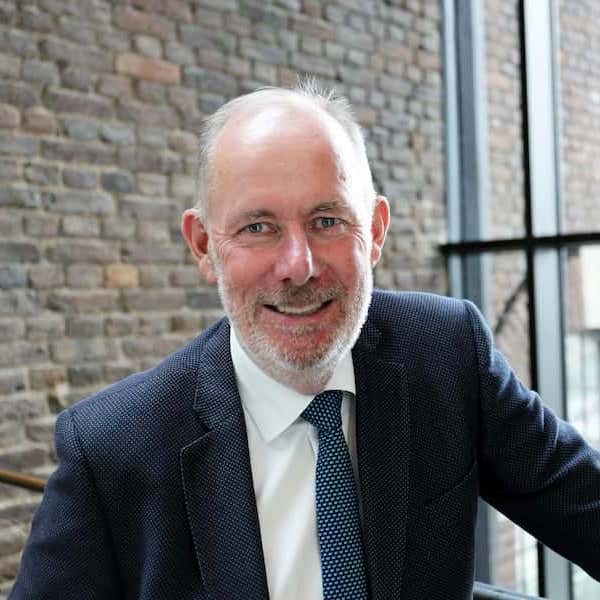
Professor Ronán Long
Director
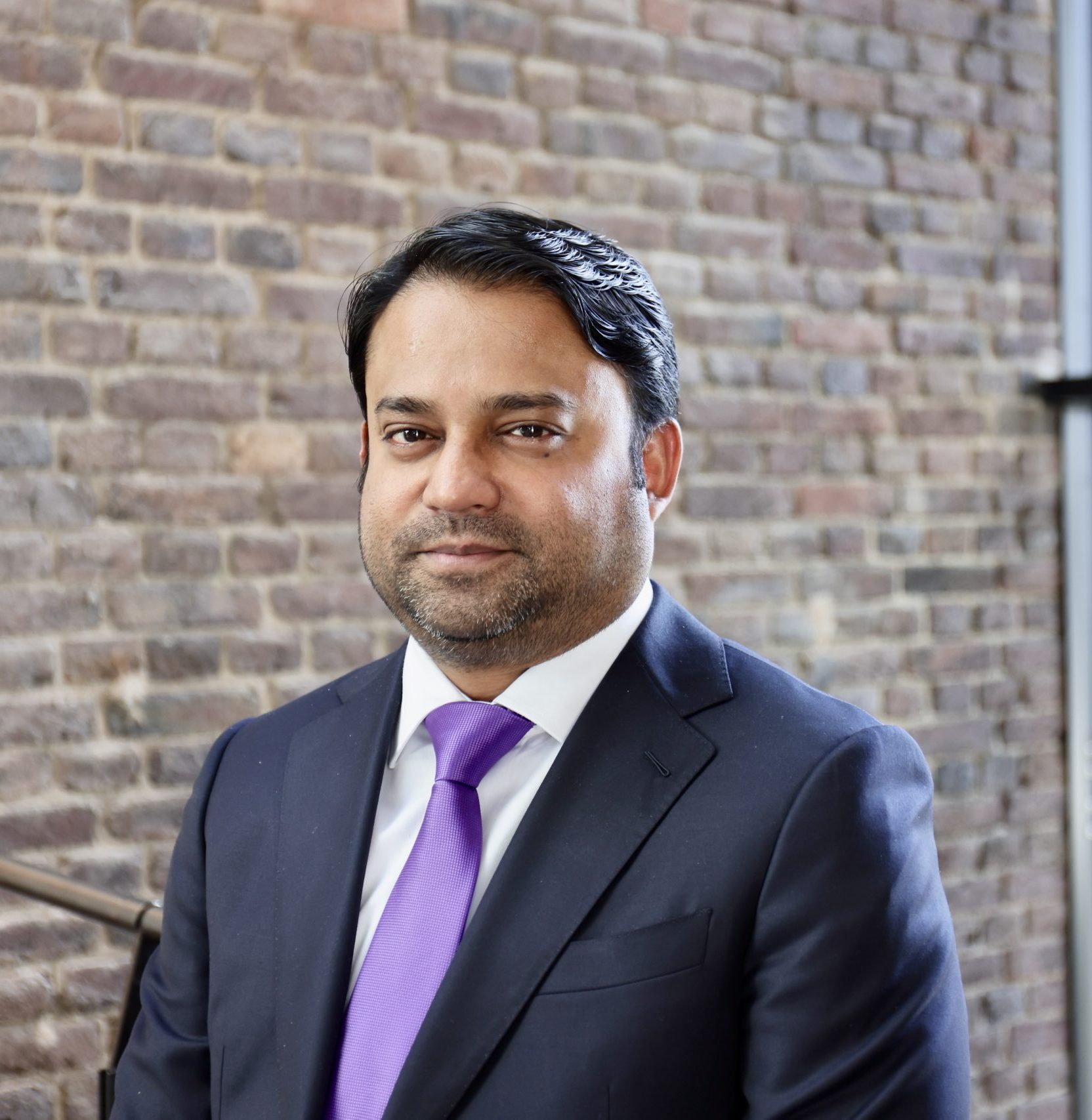
Dr. Tafsir Matin Johansson
Associate Professor
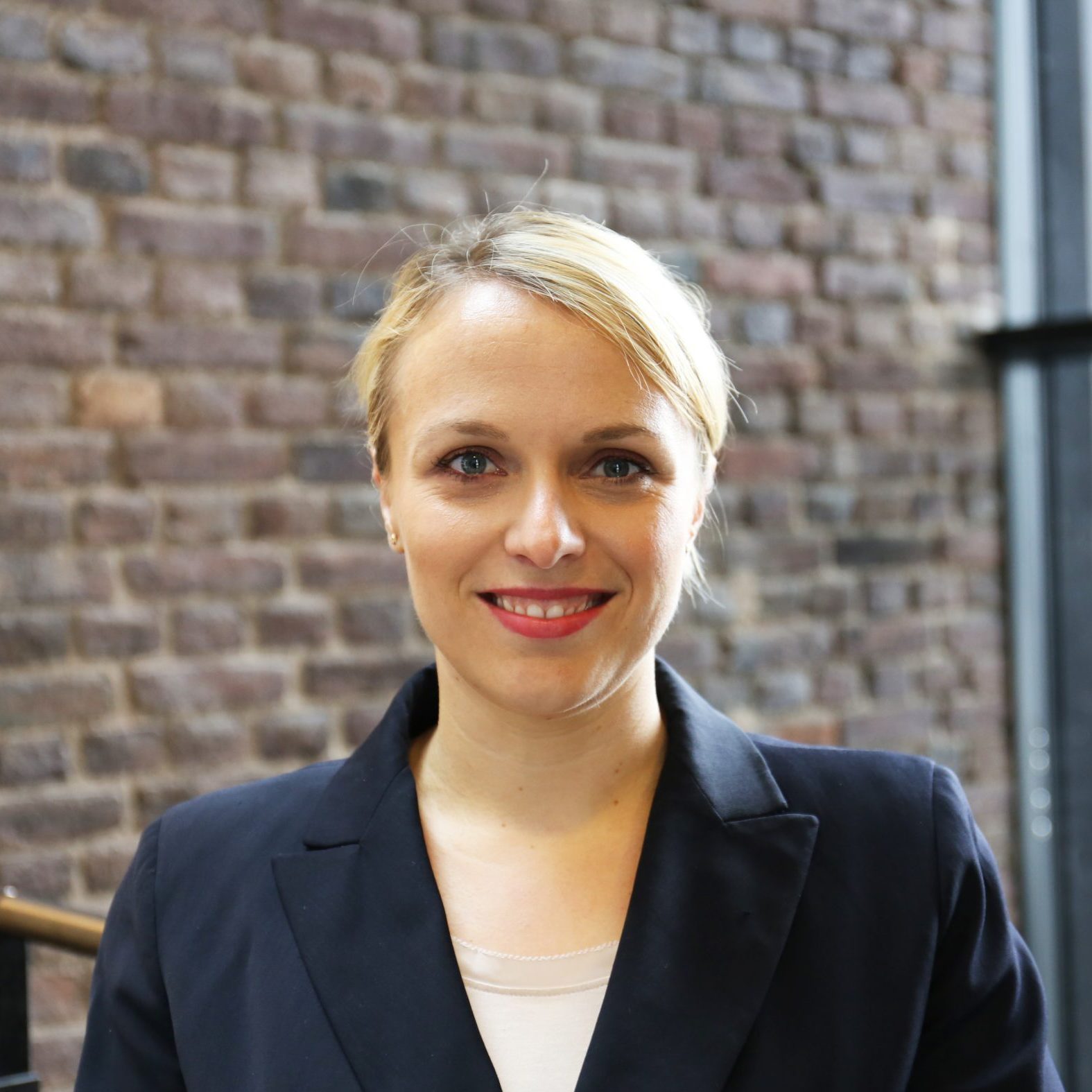
Dr. Aleke Stöfen O'Brien
Associate Professor
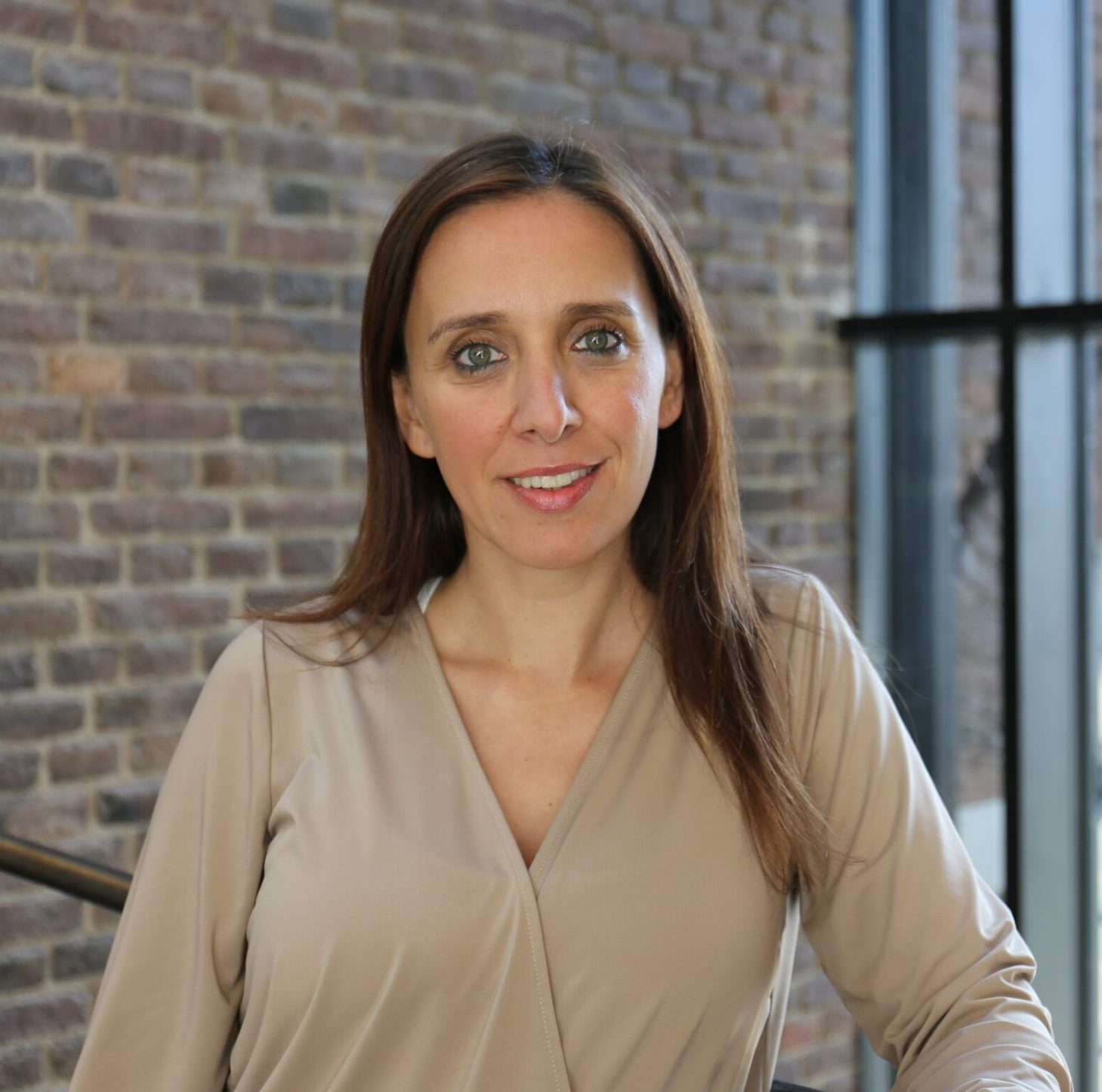
Dr. Aspasia Pastra
Director
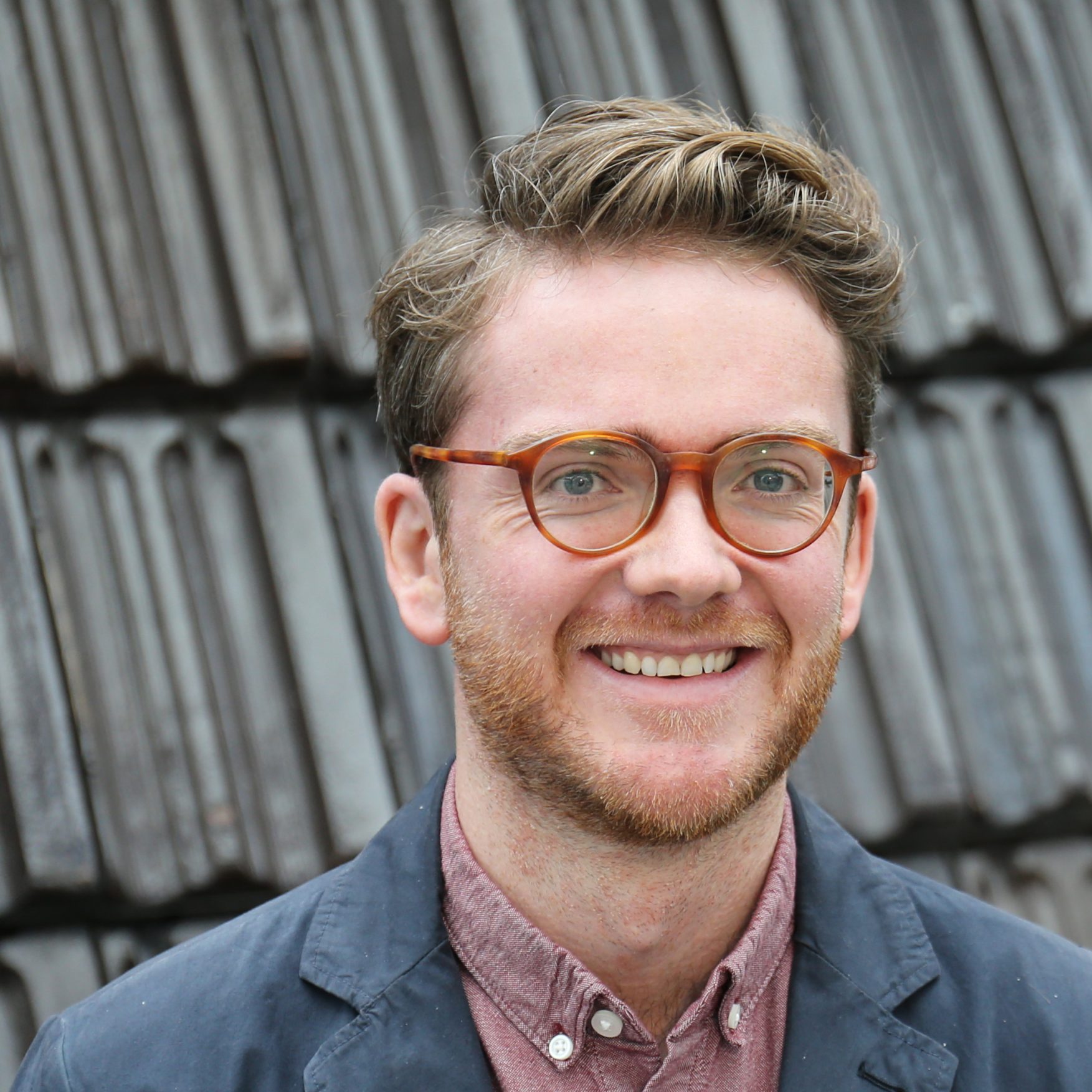
Dr. Ríán Derrig
Associate Professor

Dr. Vonintsoa Rafaly
Postdoctoral Fellow
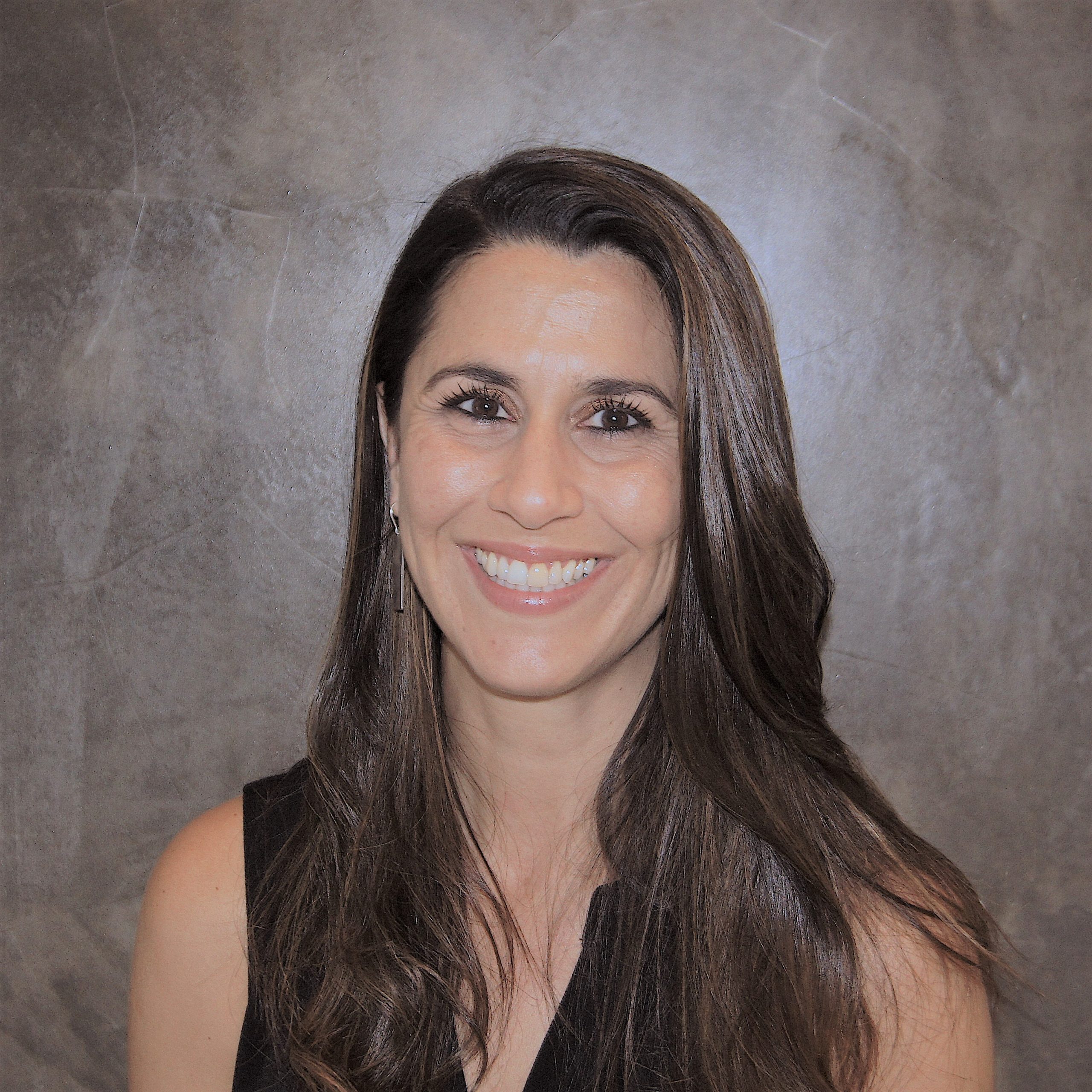
Dr. Mariamalia Rodríguez Chaves
Senior Postdoctoral Fellow

Tim Pöppel
Project and Research Support (GOI Fellow)
OPERATIONS TEAM
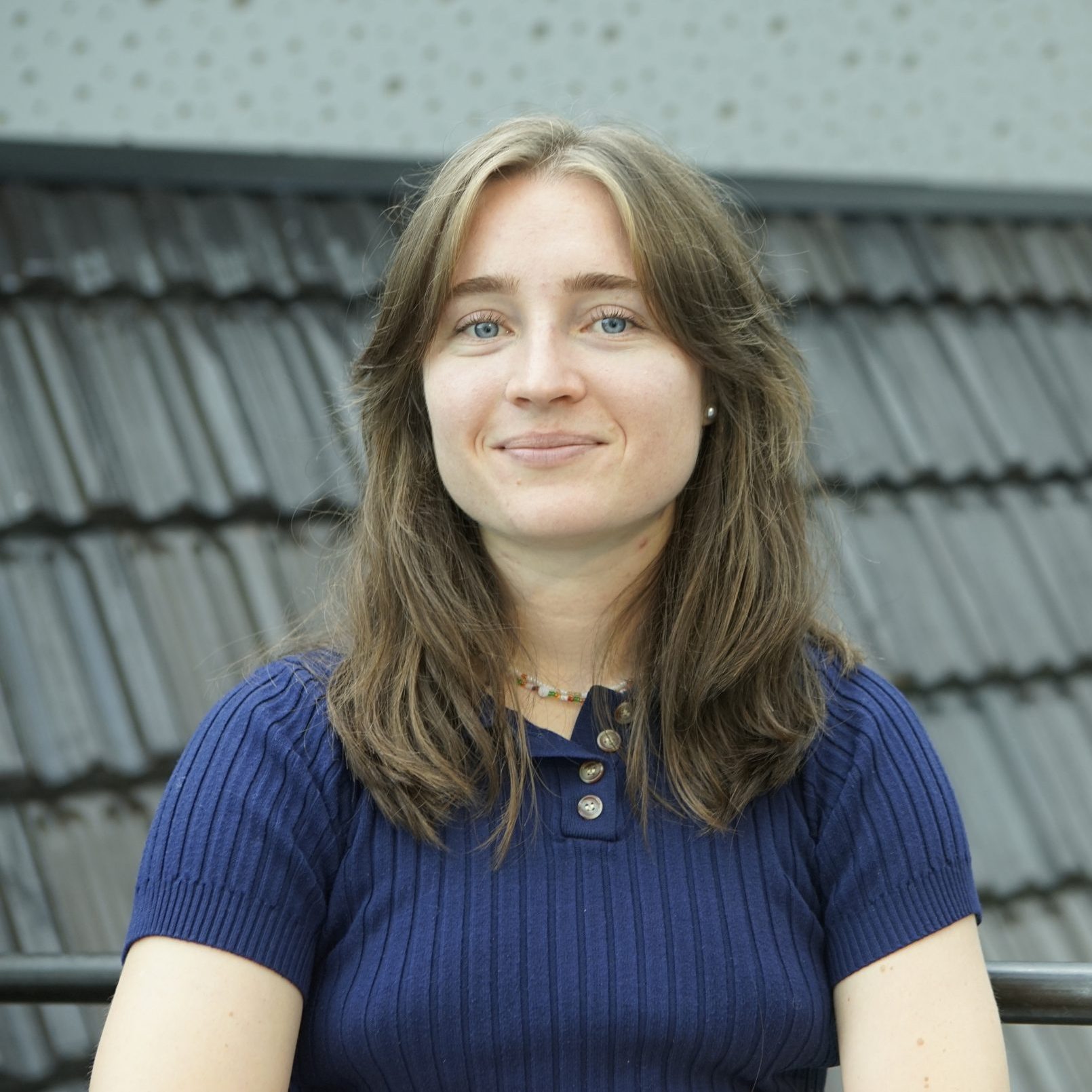
Ambre Pilet
Project and Communications Assistant
LEARN MORE
About the future ocean programme
The Future Ocean Programme is funded by The Nippon Foundation and aims to generate knowledge and understanding of how law, political science, and public policy are used to effect change in humanity’s relationship with the ocean to combat the triple planetary crisis of biodiversity loss, climate change and pollution.
about the global ocean institute
The World Maritime University’s WMU-Sasakawa Global Ocean Institute (WMU-GOI) is an independent focal point for the ocean science-policy-law-industry-society interface where policymakers, the scientific community, regulators, industry actors, academics, and representatives of civil society meet to discuss how best to manage and use ocean spaces and their resources in accordance with the United Nations 2030 Agenda for Sustainable Development. The Institute was inaugurated in May 2018 and made possible through generous support from The Nippon Foundation of Japan, the Governments of Sweden, Canada, and Germany, as well as the City of Malmö
about the world maritime universitY
The World Maritime University (WMU) in Malmö, Sweden is established within the framework of the International Maritime Organization, a specialized agency of the United Nations. The mission of WMU is to be the world centre of excellence in postgraduate maritime and oceans education, professional training and research, while building global capacity and promoting sustainable development. WMU is an organization by and for the international maritime community and is committed to the United Nations Sustainable Development Goals Agenda.