
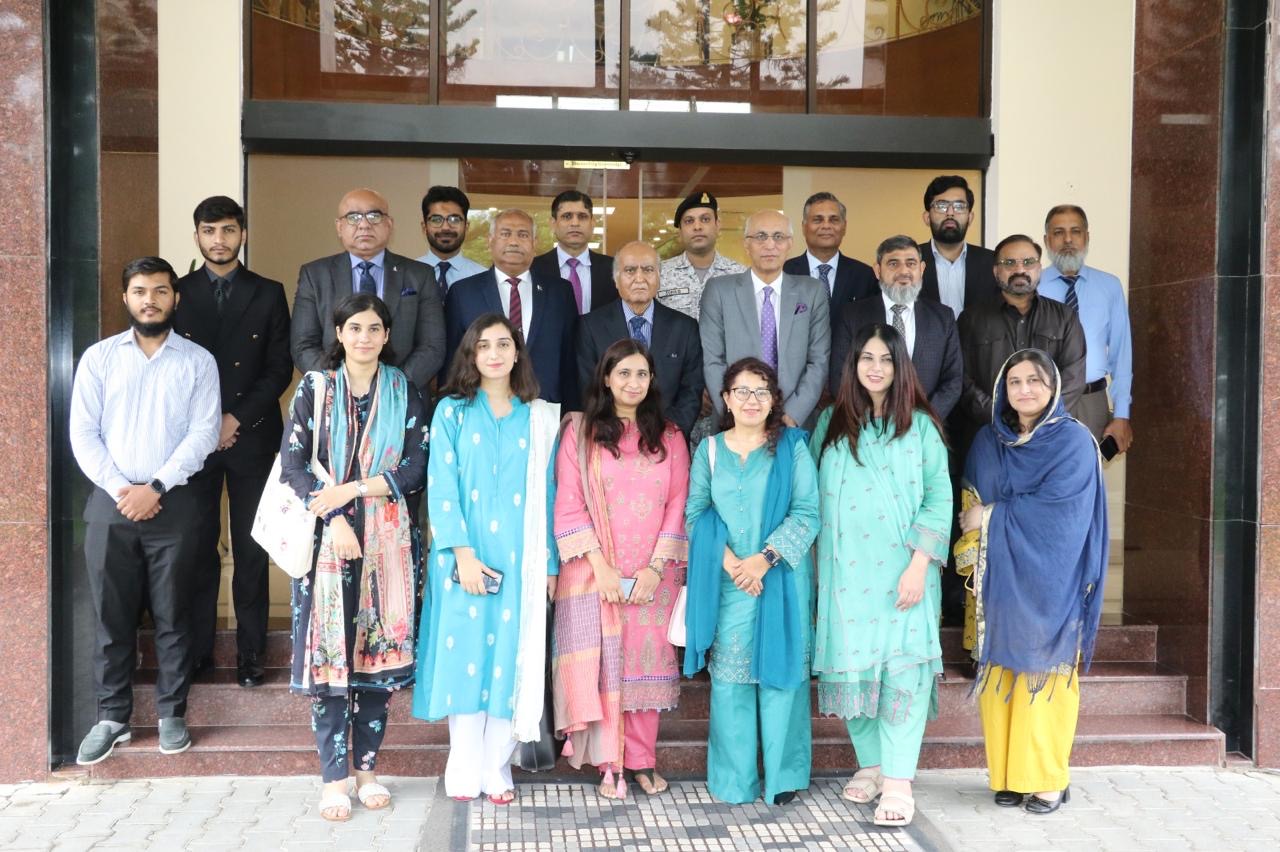
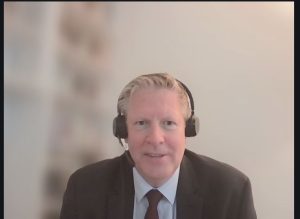
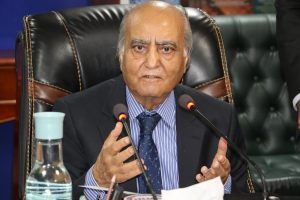
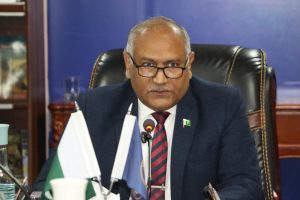
Dr. Ríán Derrig, Assistant Professor at the World Maritime University-Sasakawa Global Ocean Institute (WMU-GOI), participated in the sixth and concluding joint seminar of the Blue Economy Seminar Series, held on 20 August 2026 in Islamabad, Pakistan. The seminar, titled “Deep Seabed Mining and the BBNJ Agreement: Opportunities, Governance and Strategic Priorities for Pakistan”, was organized by the National Institute of Maritime Affairs (NIMA) in collaboration with the Institute of Strategic Studies Islamabad (ISSI).
©Photo credit: National Institute of Maritime Affairs (NIMA)
DEEP SEABED MINING AND THE BBNJ AGREEMENT:
Opportunities, Governance and Strategic Priorities for Pakistan
about the workshop
The seminar brought together policymakers, academics, maritime practitioners, scientists and strategic experts to discuss developments in deep seabed mining (DSM) and the Agreement on Biodiversity Beyond National Jurisdiction (BBNJ), with a particular focus on their legal, environmental, economic and strategic implications for Pakistan.
about wmu-goi contributions
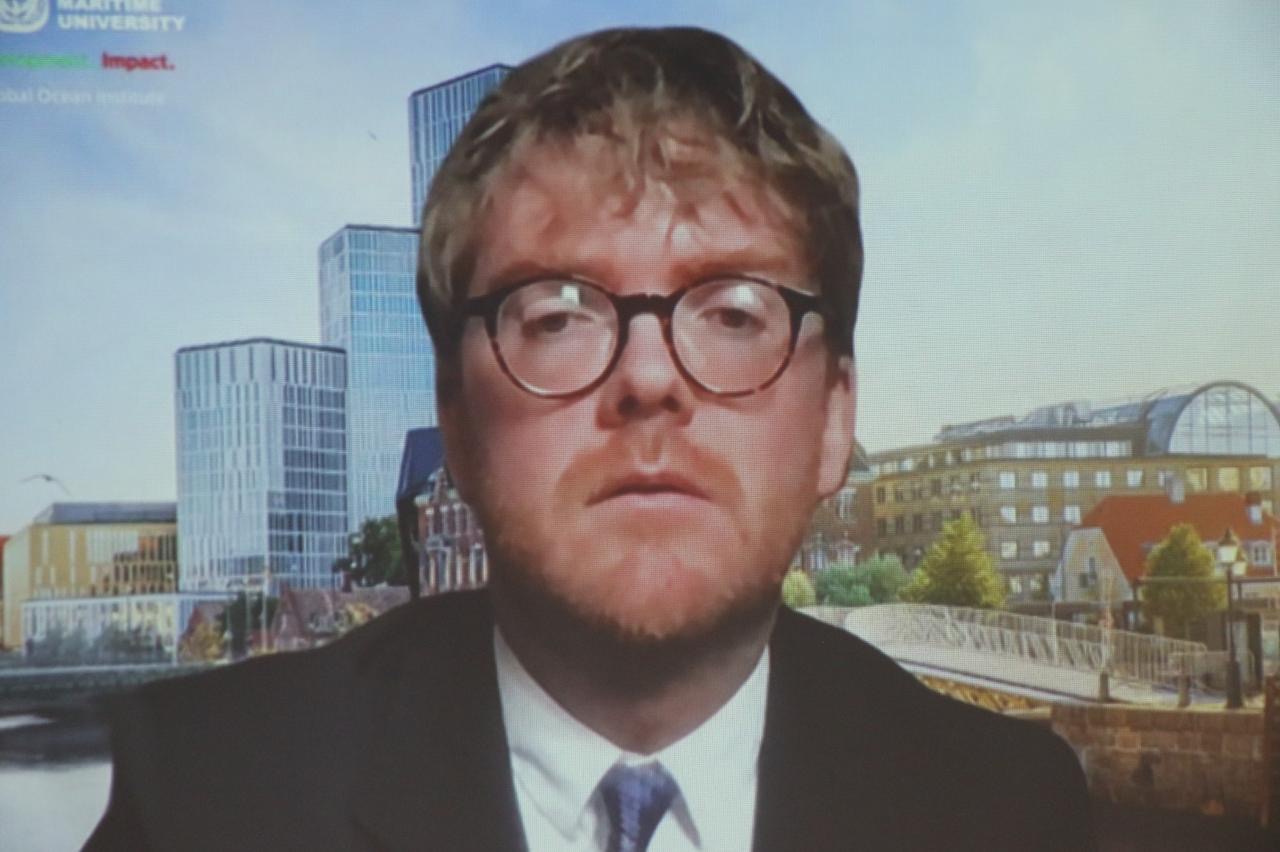
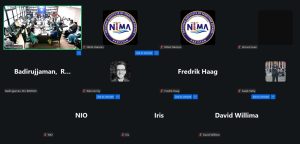
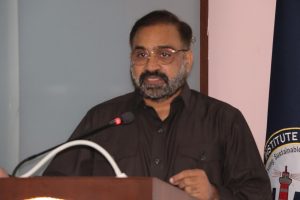
The seminar highlighted the importance of informed policy dialogue and strengthened cooperation among institutions in addressing emerging challenges in ocean governance.

For more information, please contact the WMU-Sasakawa Global Ocean Institute at goisecretariat@wmu.se.
About the World Maritime University
The World Maritime University (WMU) in Malmö, Sweden is established within the framework of the International Maritime Organization, a specialized agency of the United Nations. The mission of WMU is to be the world centre of excellence in postgraduate maritime and oceans education, professional training and research, while building global capacity and promoting sustainable development. WMU is an organization by and for the international maritime community and is committed to the United Nations 2030 Agenda for Sustainable Development.
About wmu-goi
The World Maritime University (WMU)-Sasakawa Global Ocean Institute (GOI) is an independent focal point for the ocean science-policy-law-industry-society interface where policymakers, the scientific community, regulators, industry actors, academics, and representatives of civil society meet to discuss how best to manage and use ocean spaces and their resources in accordance with the United Nations 2030 Agenda for Sustainable Development. The Institute was inaugurated in May 2018 and made possible through generous support from The Nippon Foundation of Japan, the Governments of Sweden, Canada, and Germany, as well as the City of Malmö.