
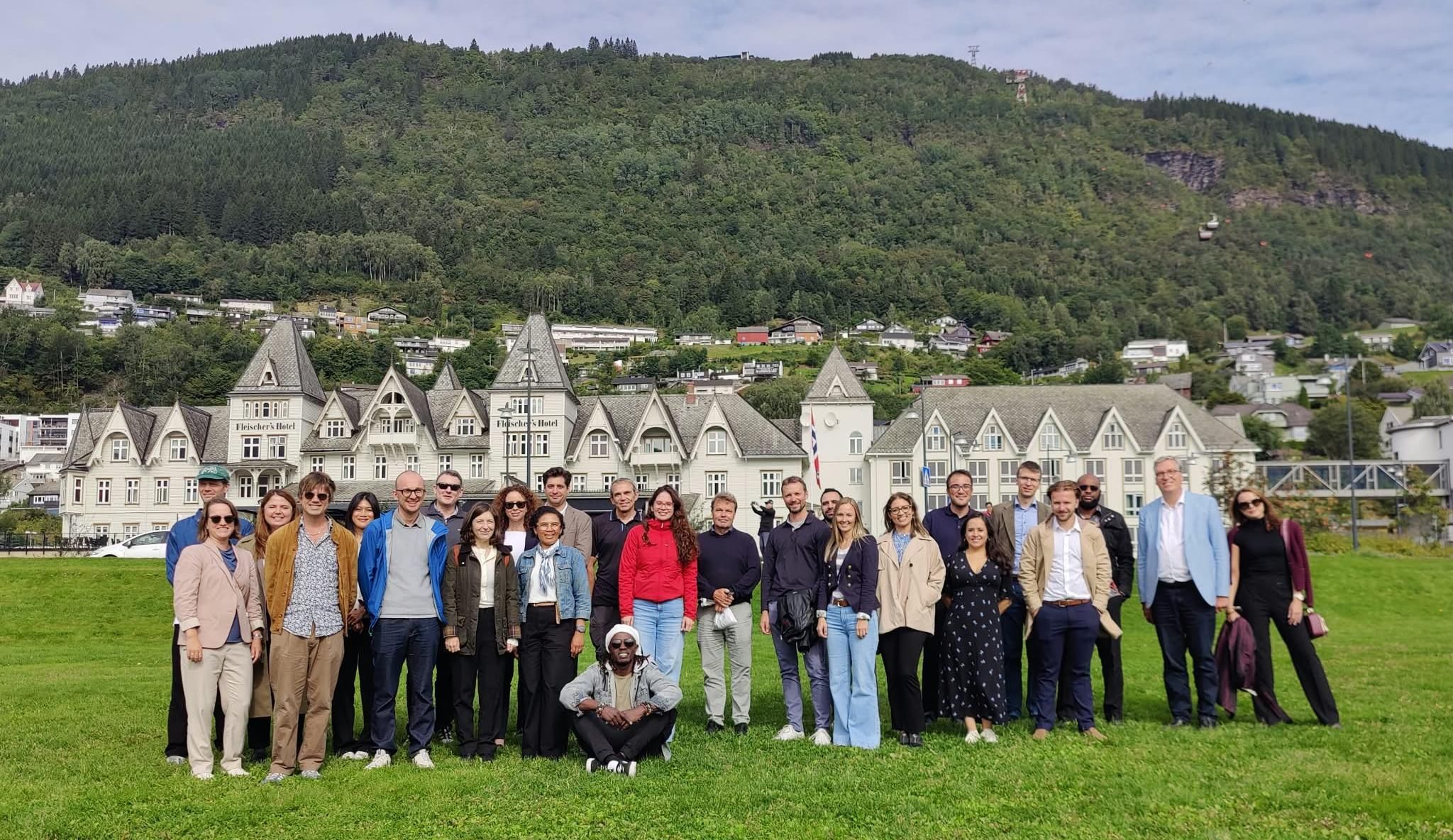
Dr. Vonintsoa Rafaly, Postdoctoral Fellow and Akrita Kaur, Project Associate at the World Maritime University (WMU)-Sasakawa Global Ocean Institute (GOI) participated in the inaugural summer school of the Governance Frameworks for the Nordic Energy Transition at Sea (GNTS) Network and the subsequent methodology workshop on Law, Society, and the Environment, held from 24-27 August 2026 in Voss and Bergen, Norway.
governance frameworks for the nordic energy transition at sea network
summer school and methodology workshop
The summer school focused on key issues related to governing the energy transition at sea, including marine infrastructure, the law of the sea, maritime and shipping law, and contractual frameworks. It provided an opportunity for participants to exchange perspectives and engage with current research on the legal and governance challenges associated with the transition towards sustainable energy at sea.
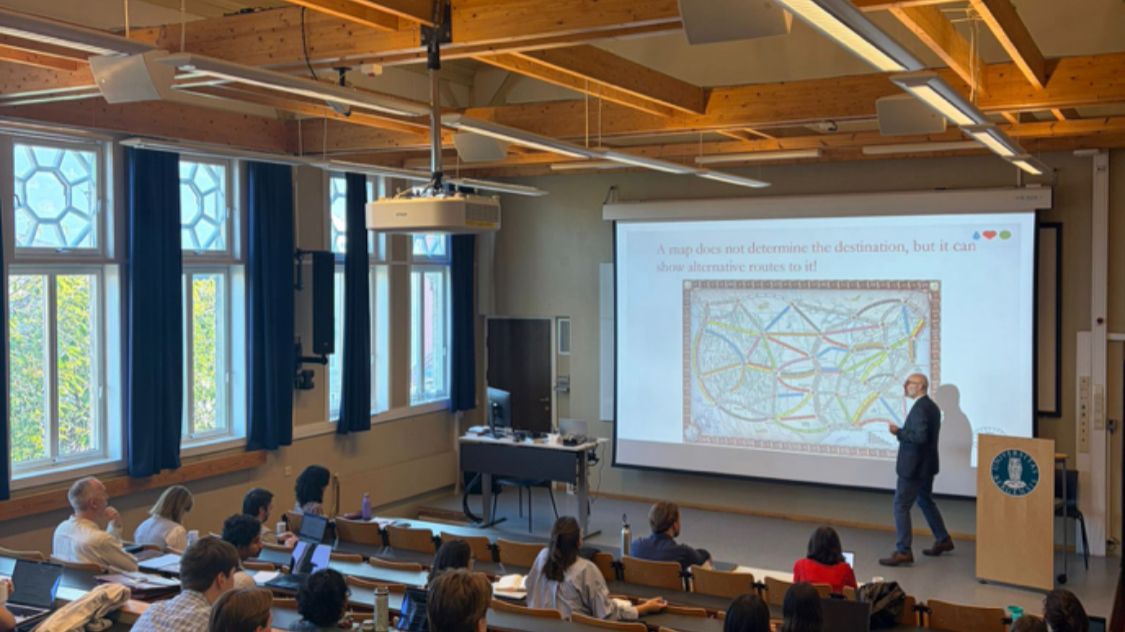
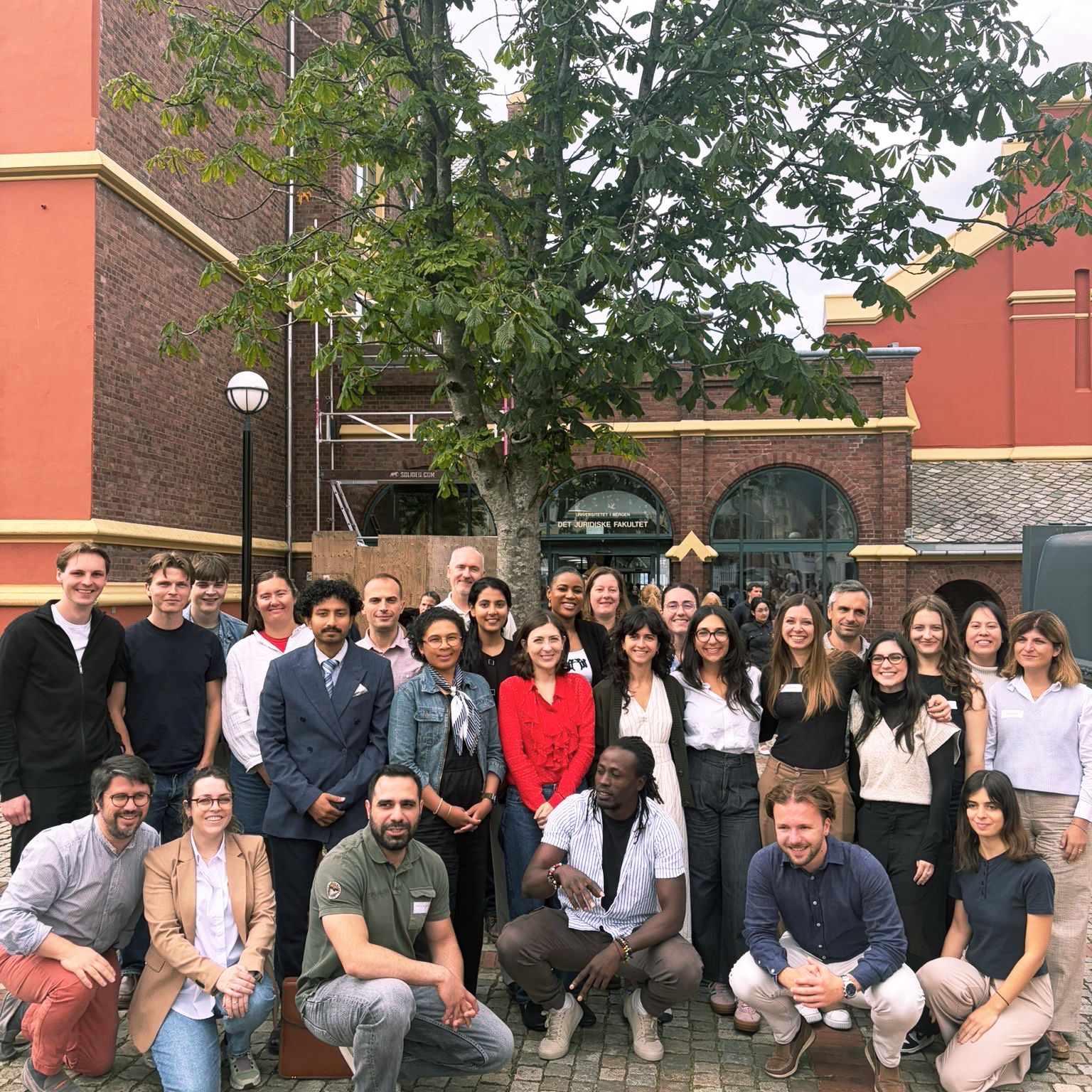
The workshop provided an opportunity to explore different approaches to conducting research from a methodological perspective, with a particular focus on interdisciplinary research. It also offered an opportunity to engage with researchers working on topics at the intersection of law, society, and the environment, and to exchange perspectives on the scope and quality of different methodological approaches.
For more information please contact the WMU-GOI at goisecretariat@wmu.se
About the World Maritime University
The World Maritime University (WMU) in Malmö, Sweden is established within the framework of the International Maritime Organization, a specialized agency of the United Nations. The mission of WMU is to be the world centre of excellence in postgraduate maritime and oceans education, professional training and research, while building global capacity and promoting sustainable development. WMU is an organization by and for the international maritime community and is committed to the United Nations 2030 Agenda for Sustainable Development.
About wmu-goi
The World Maritime University (WMU)-Sasakawa Global Ocean Institute (GOI) is an independent focal point for the ocean science-policy-law-industry-society interface where policymakers, the scientific community, regulators, industry actors, academics, and representatives of civil society meet to discuss how best to manage and use ocean spaces and their resources in accordance with the United Nations 2030 Agenda for Sustainable Development. The Institute was inaugurated in May 2018 and made possible through generous support from The Nippon Foundation of Japan, the Governments of Sweden, Canada, and Germany, as well as the City of Malmö.