
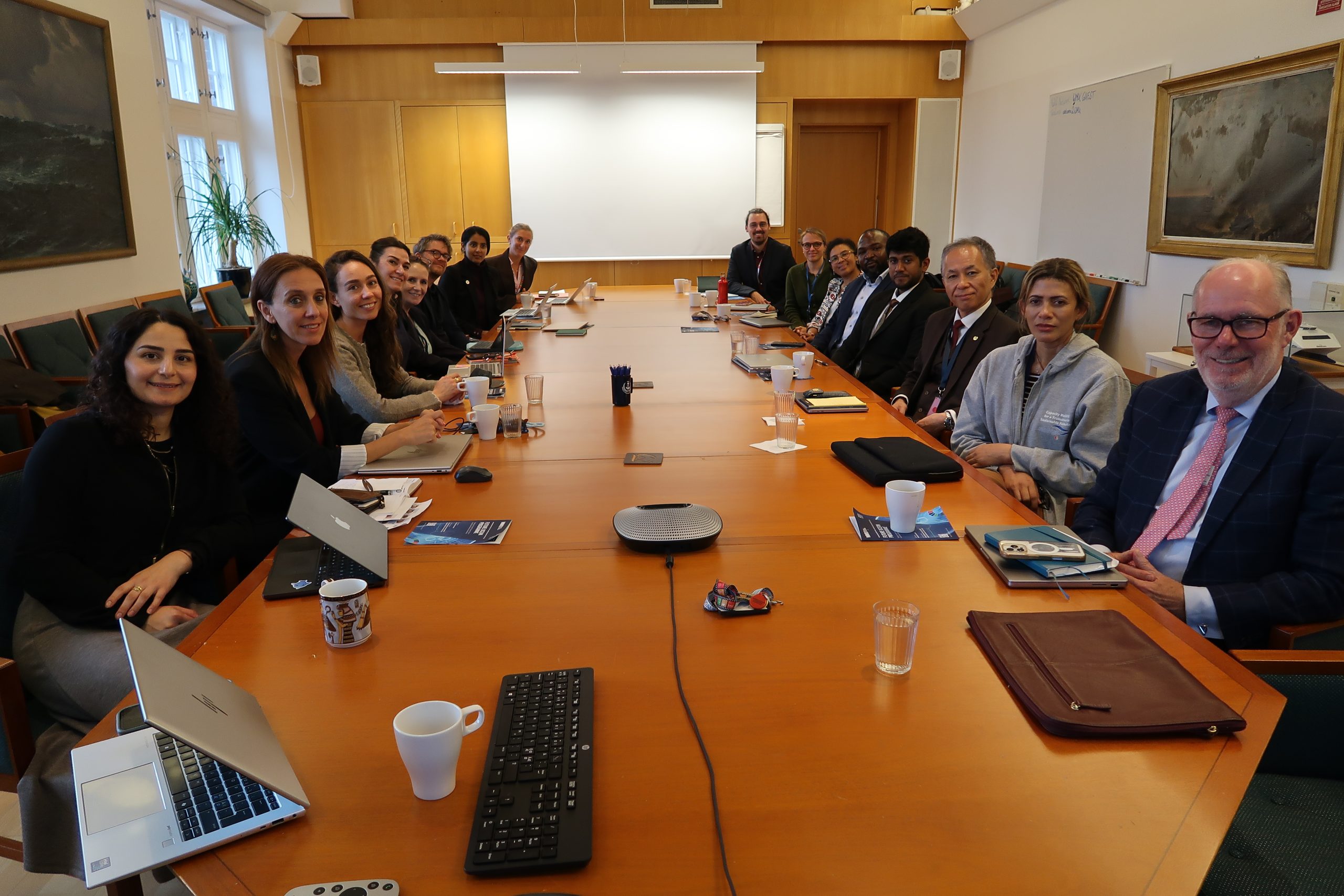
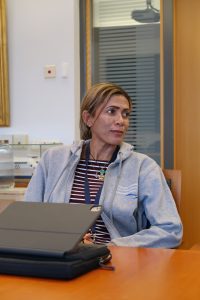
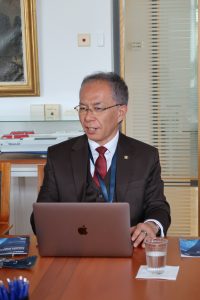
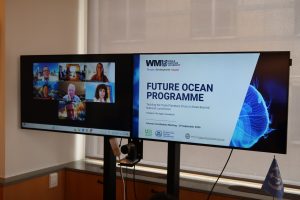
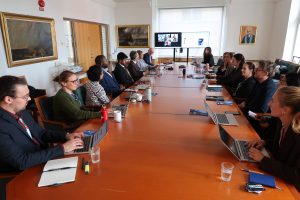
The World Maritime University-Sasakawa Global Ocean Institute (WMU-GOI) convened a Future Ocean Programme internal coordination meeting on 29 September 2026 at WMU in Malmö, Sweden, and online. The meeting marked the completion of the Programme’s second year and brought together WMU-GOI Director, Principal Investigators, PhD candidates, external advisors, and invited experts to review progress, discuss emerging findings and establish priorities for the year ahead.
Future Ocean Programme internal workshop
Progress updates and strategic priorities ahead
The Future Ocean Programme is a four-year interdisciplinary research initiative examining the future of ocean governance from 2024 to 2074, with a focus on addressing the triple planetary crisis of biodiversity loss, climate change, and marine pollution.
Programme Progress and Research UpdateS
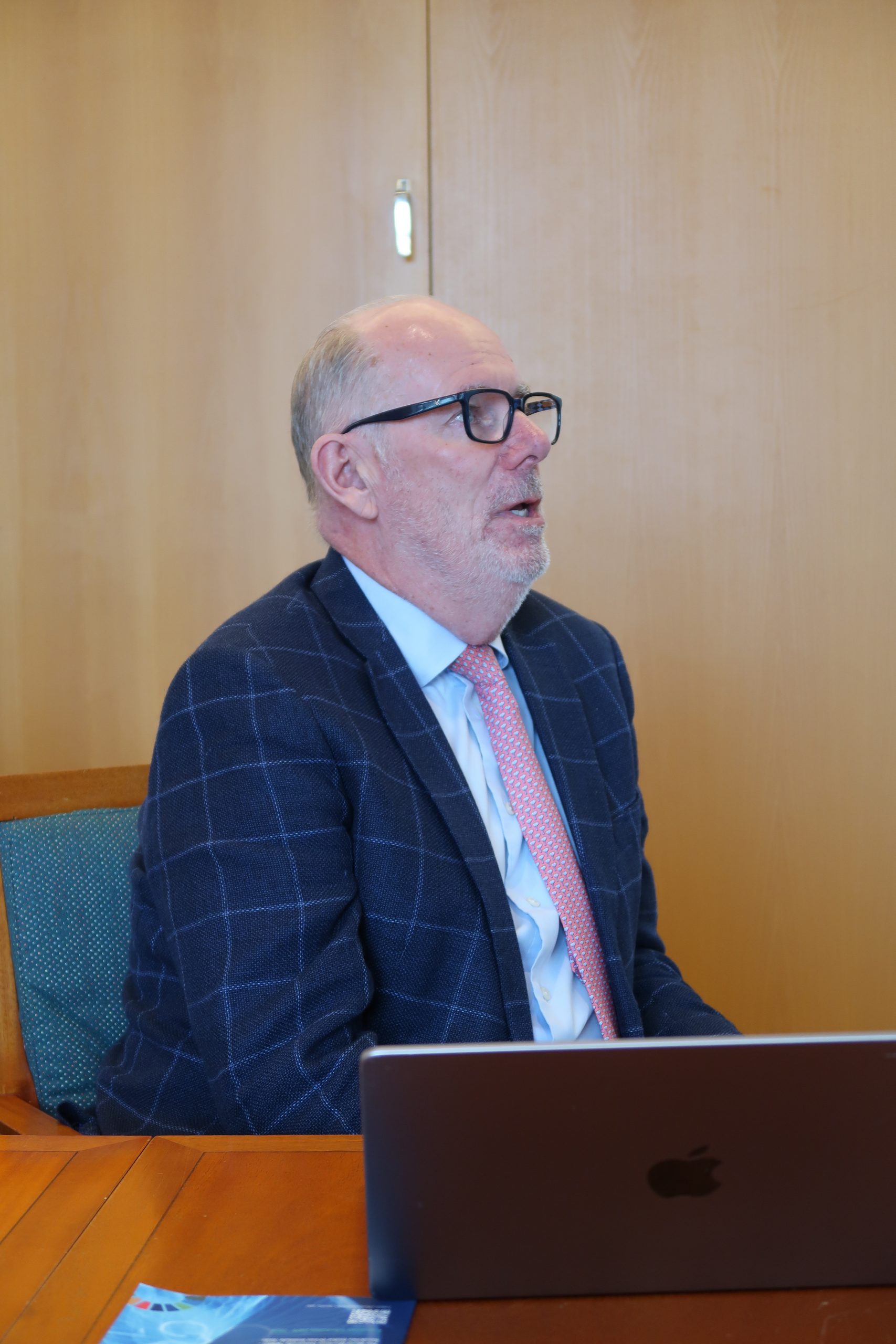
In his opening remarks, Professor Ronán Long, Director of WMU-GOI, reviewed progress and outlined priorities for the next 18 months, including publications, events, impact assessment, and stronger engagement with international ocean governance processes.
Pillar 1: Ocean Governance Regimes and Institutions
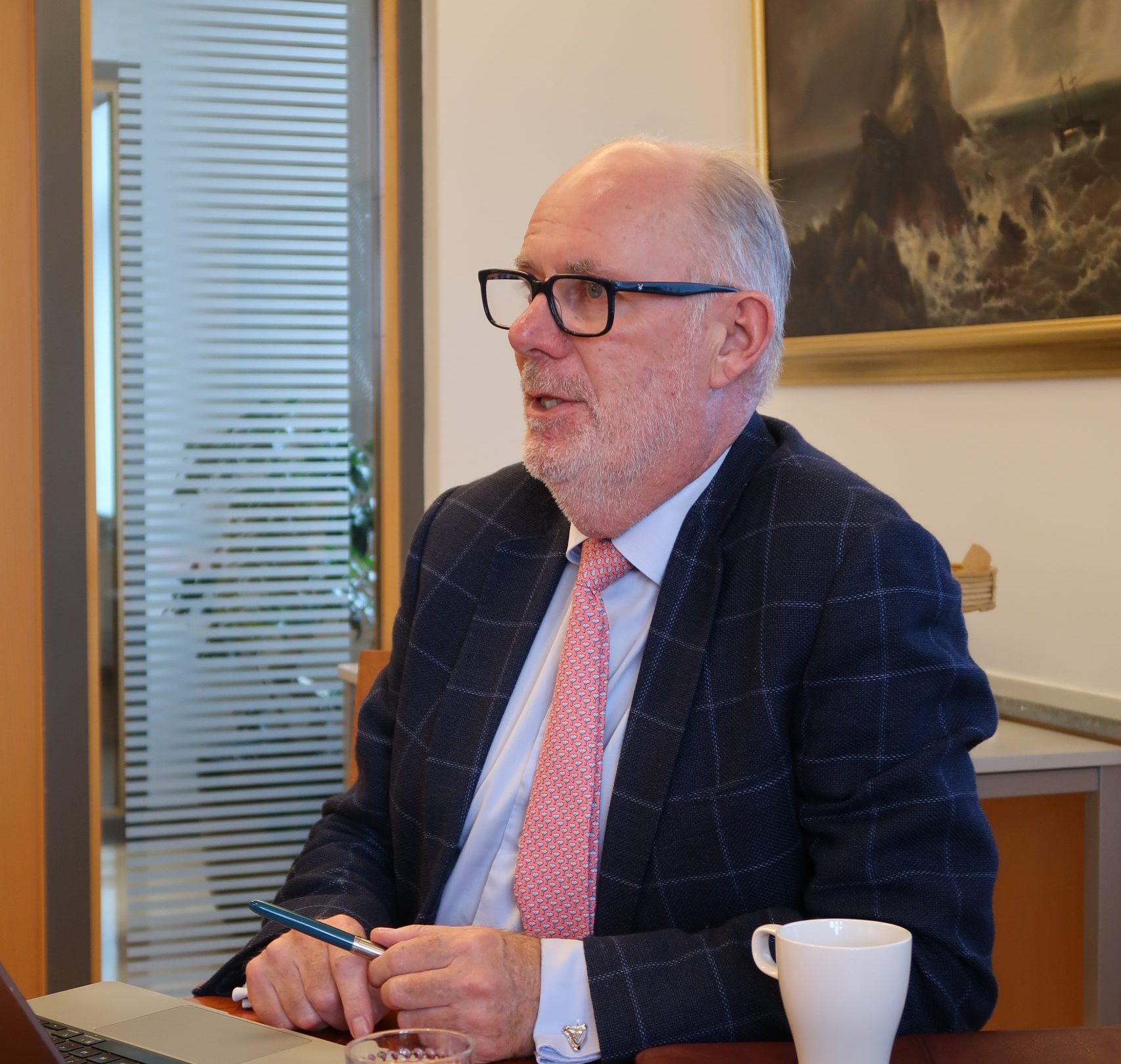
Professor Ronán Long presented research on interactions between ocean governance regimes and institutions, with particular attention to the BBNJ Agreement and its relationship with existing frameworks. He also stressed the importance of providing extensive work in terms of cooperative engagement and regional contributions and highlighted his forthcoming book The BBNJ Agreement in Action, co-authored with Dr. Mariamalia Rodríguez Chaves. Case studies include the Costa Rica Thermal Dome, the Sargasso Sea, and the Salas y Gómez and Nazca ridges.
Pillar 2: Non-State Actors and Rights-Based Approaches
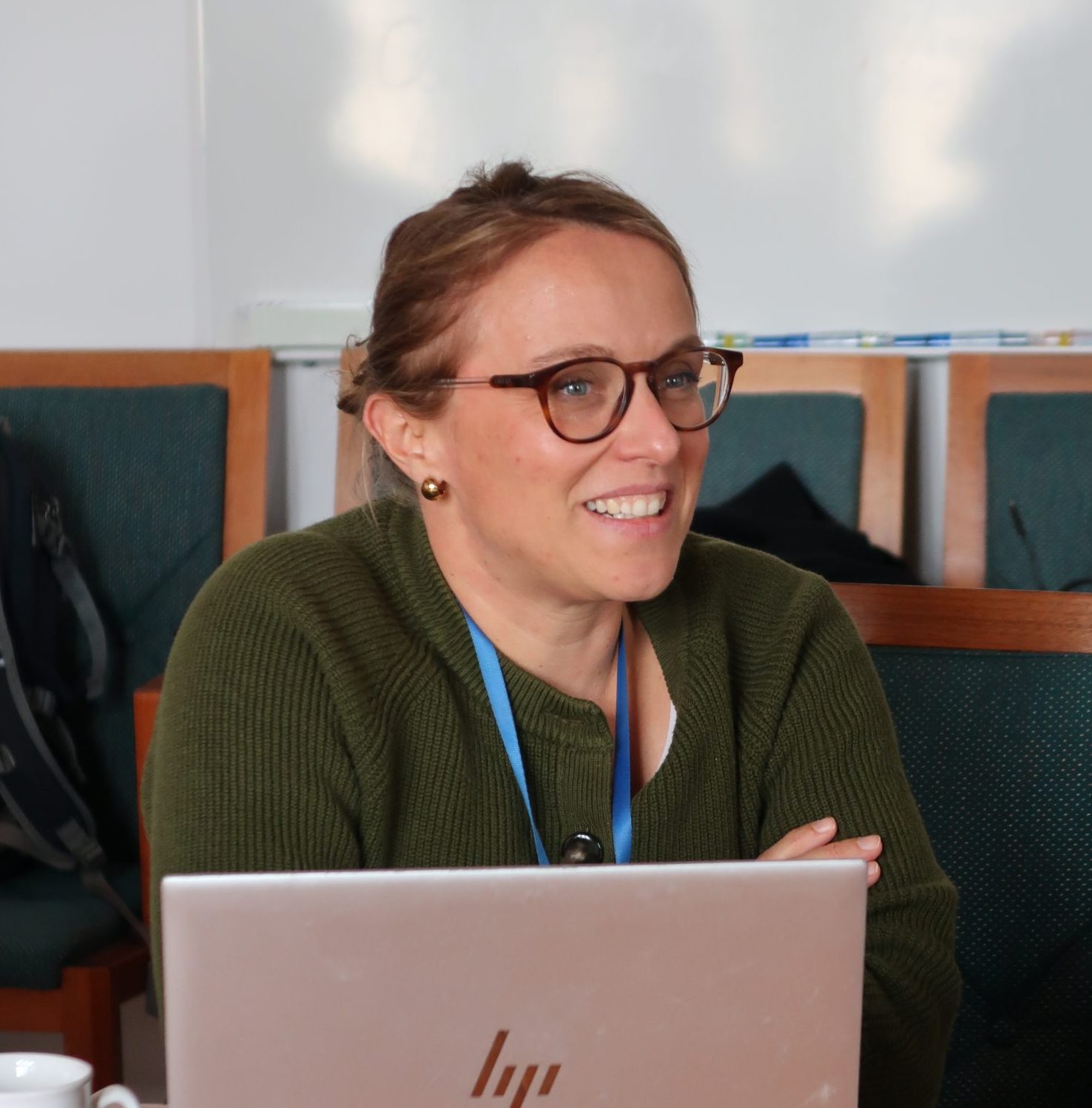
Associate Professor Aleke Stöfen-O’Brien discussed work on inclusive ocean governance, rights-based approaches, and stronger participation by non-state actors in the development of international law, amongst others. Research and engagement activities under this pillar span various topics including equitable global partnership, youth engagement, capacity development, and knowledge transfer, alongside contributions to discussions on the BBNJ Agreement and international plastics treaty negotiations. The Pillar is further supported by two project and research supports; Tim Pöppel and Akrita Kaur and two interns funded by the German Government and Erasmus+; Augustina Schick and Justus Hamm.
Pillar 3: Ocean Observation Technologies
Progress was also reviewed under Pillar 3, with principal investigators Associate Professor Tafsir Matin Johansson and Assistant Professor Aspasia Pastra. Emphasis was laid on the pillar aim to co-design a future blueprint for ocean observation technologies as well as the necessity for developing governance frameworks to support their effective use. The efforts to meet the pillar aim include research on artificial intelligence in Antarctica and collaborative initiatives spanning three working groups: the Ocean Data Working Group, the Marine Genetic Resources Scientific Committee and the GEBCO subcommittee on education and training.
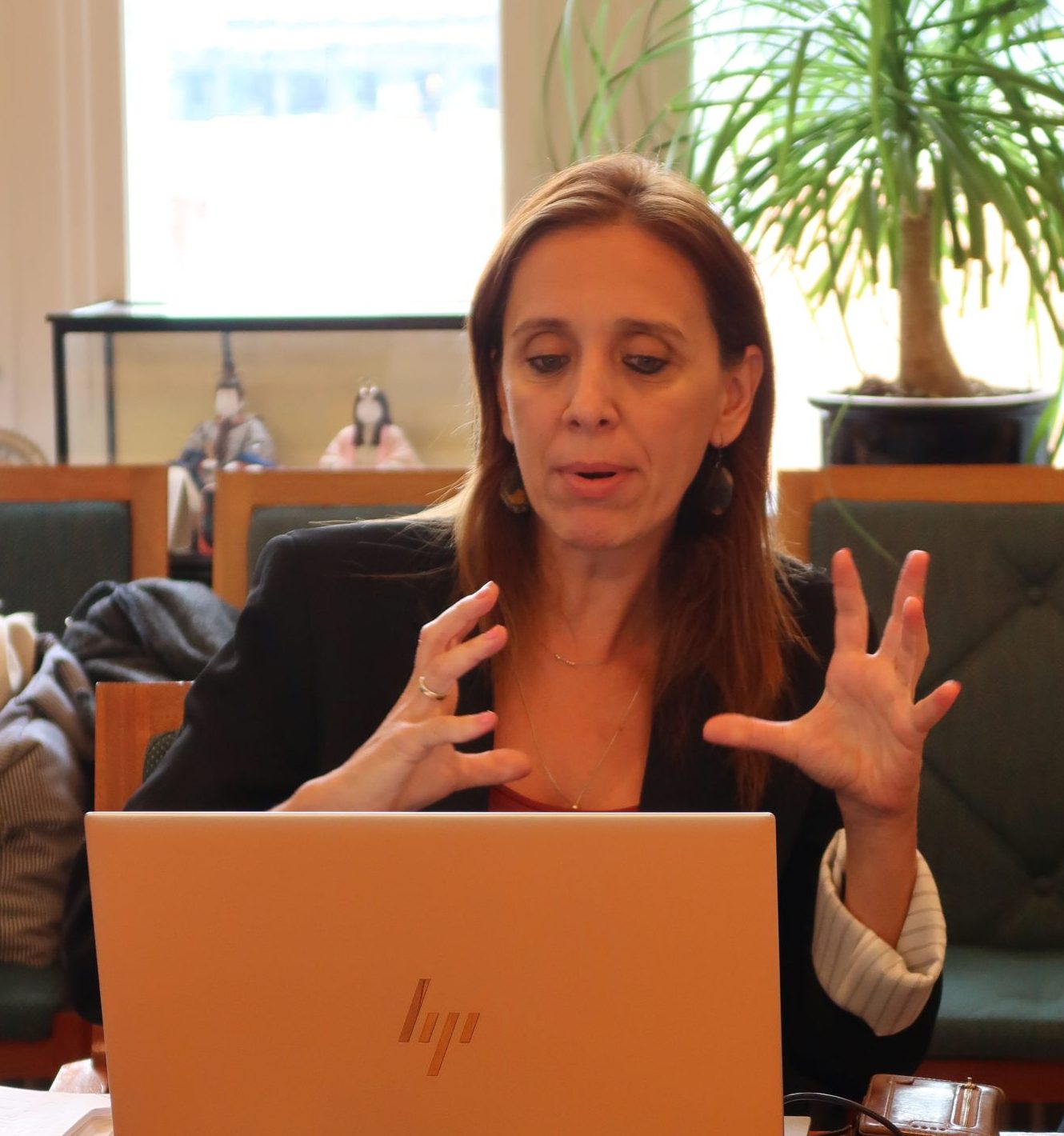
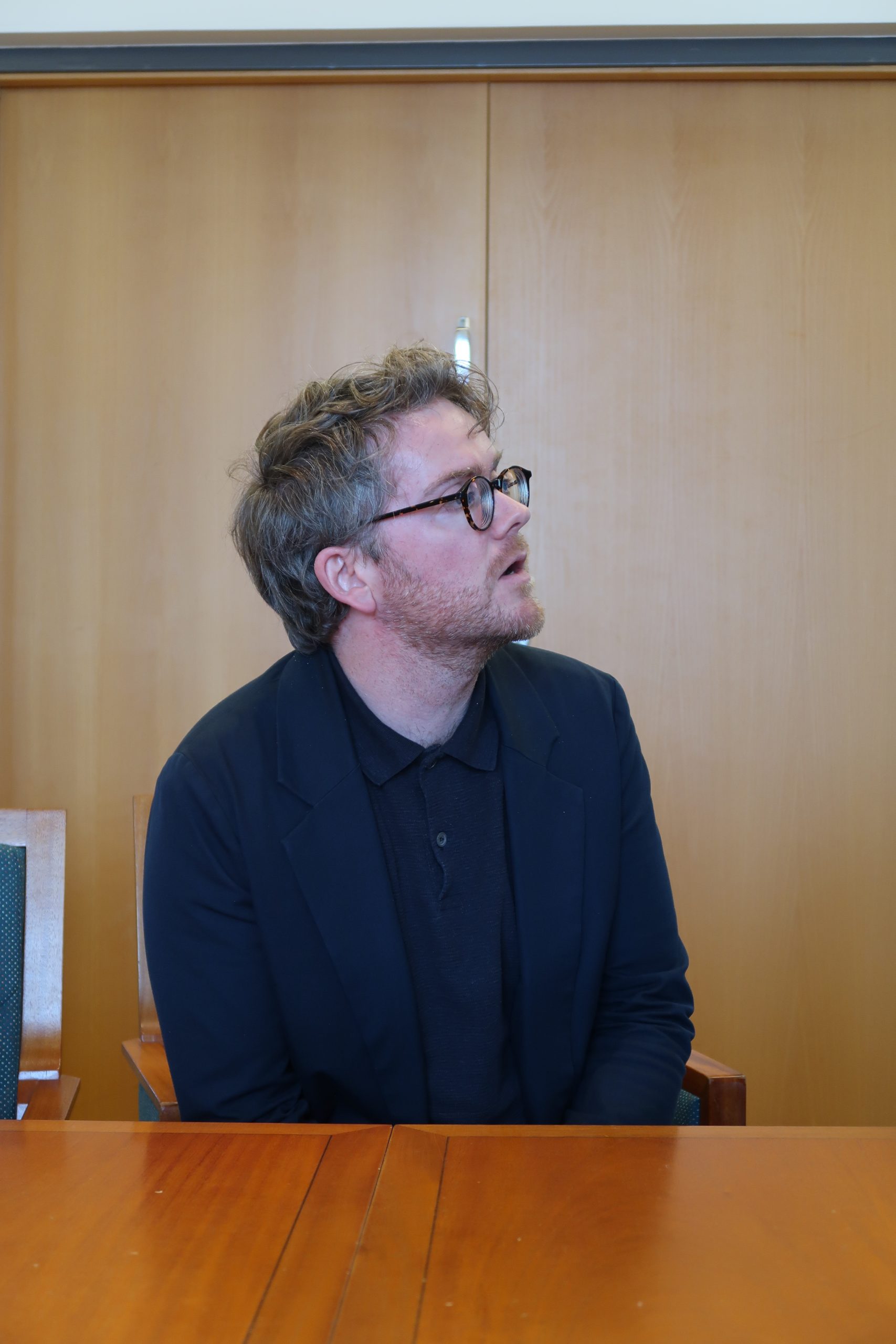
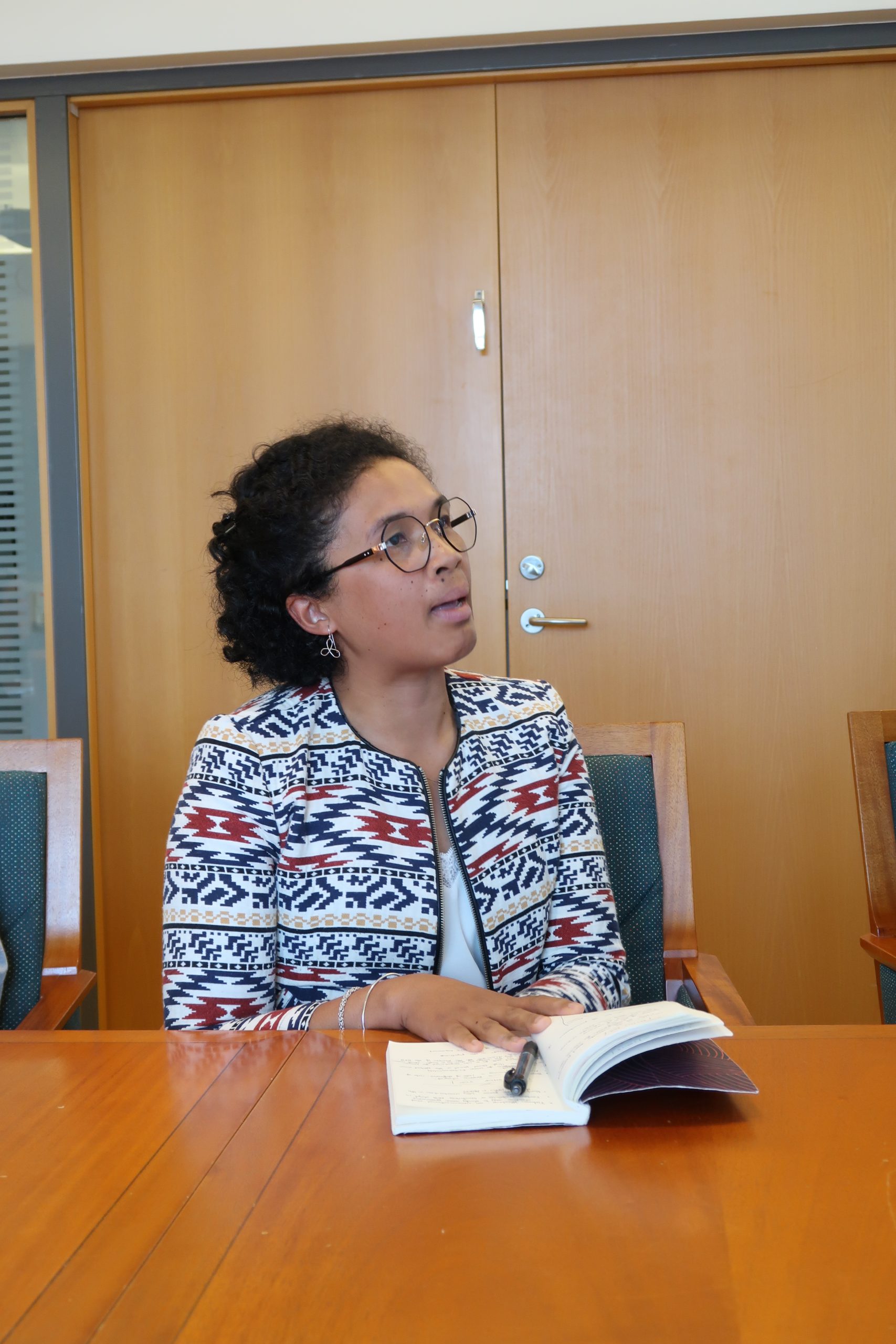
Assistant Professor Ríán Derrig and Postdoctoral Fellow Vonintsoa Rafaly presented research on Pillar 4, including future-oriented approaches to ocean governance, the political economy of the BBNJ Agreement and studies on seabed mining beyond national jurisdiction. They also highlighted corresponding publications and academic collaboration through the 2026 Öresund International Law Workshop which took place on 30 September in WMU and concluded with the potential development of a Working Group on Ocean Futures.
External Expertise and PhD Research
External contributors shared perspectives on human-rights-based approaches, scientific cooperation, and implementation of the BBNJ Agreement. Dr. Mariamalia Rodríguez Chaves (Postdoctoral Fellow) highlighted rights-based approaches in Latin America, while Dr. Tanya Wagenaar (Nelson Mandela University) emphasized the upcoming collaboration during the Symposium on Environmental Stewardship at Sea taking place in South Africa and the importance of bridging science and governance. Fae Sapsford (PhD Candidate) presented her research on stewardship of the Sargasso Sea, and Professor David Freestone (Sargasso Sea Commission) discussed cooperation between the Sargasso Sea Commission and the Future Ocean Programme. Other participants included Professor Nilufer Oral (National University of Singapore), Justice Fiona Robinson (Court of Appeal of the Republic of Seychelles), Captain (Ret.) Jesus Antonio Menacho Piérola (Nautical Maritime Foundation of Peru), and Professor Kentaro Furuya (National Graduate Institute for Policy Studies, Keio University, Japan Coast Guard Academy).
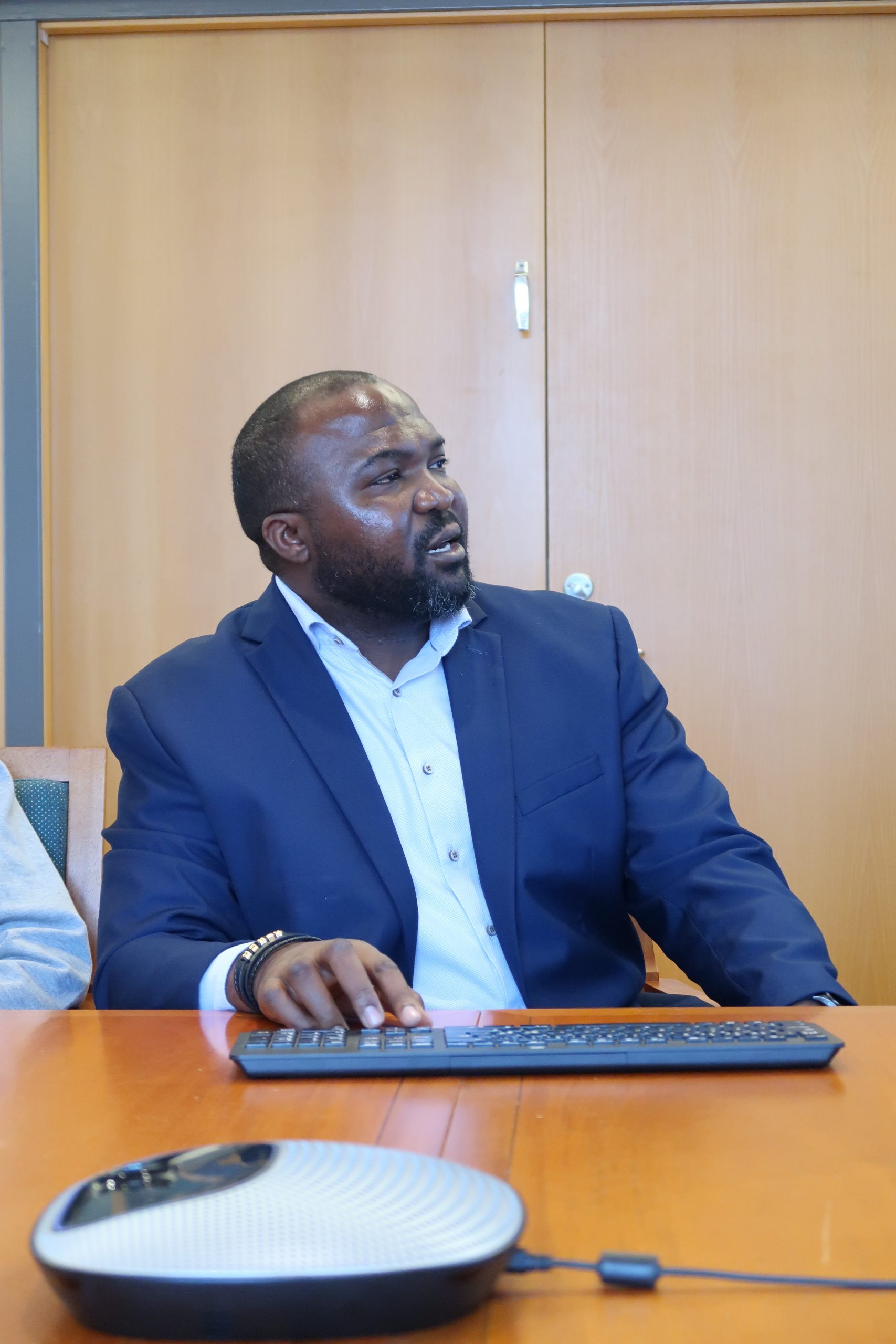
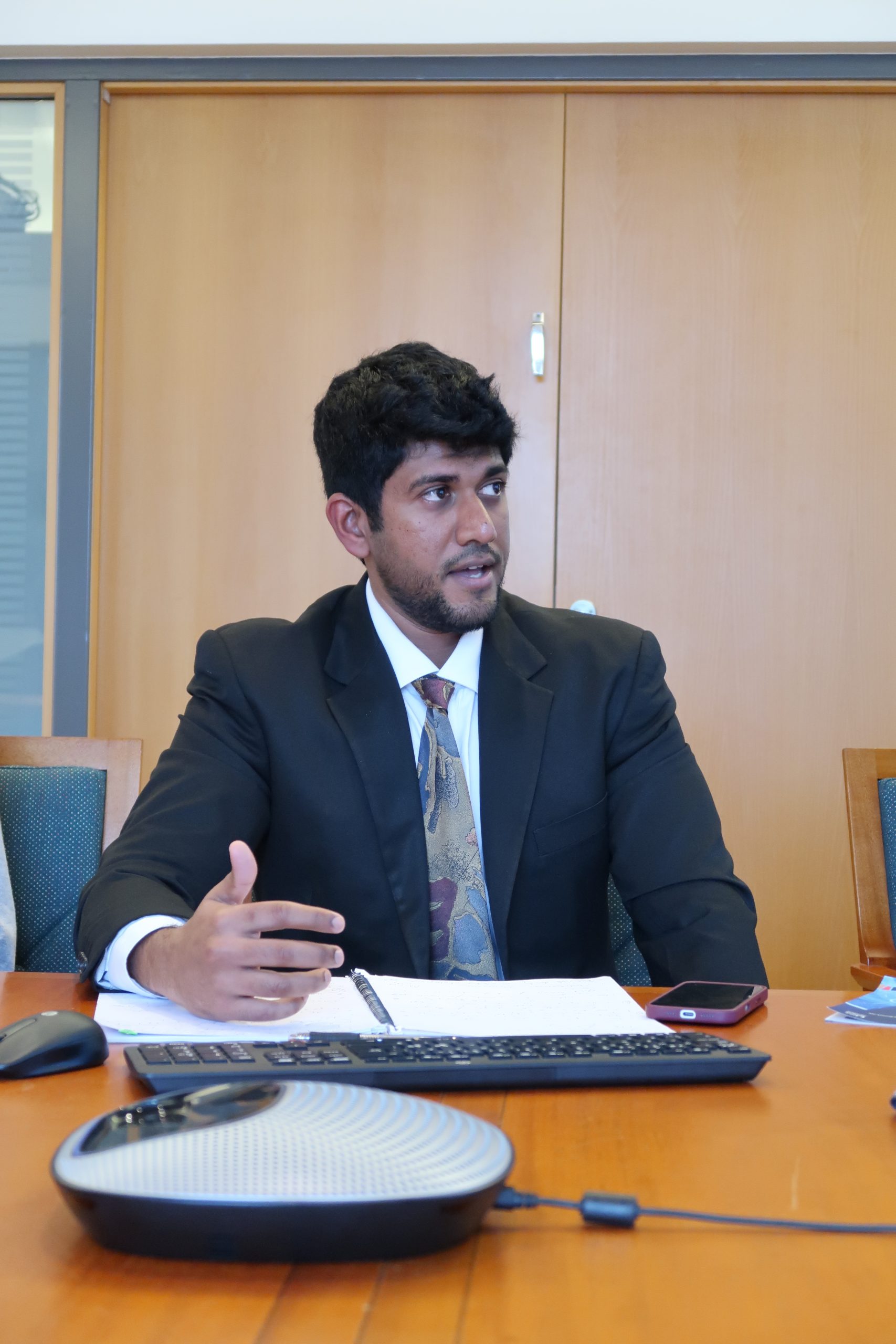
PhD candidates Ayo Pacheco and Suriya Narayanan Sundararajan presented their research findings on equitable data governance for the BBNJ Clearing-House Mechanism in the Benguela Current region, investigating the institutions, infrastructure and actor-level conditions for developing an equitable data governance framework, and on the legal challenges in regime interaction vis-à-vis the deployment of ocean observation technologies in areas beyond national jurisdiction, using the Saya de Malha Bank as a case study to develop a conceptual liability framework, respectively.
Looking Ahead
In his closing remarks, Professor Long highlighted the Future Ocean Programme Colloquium planned for Sri Lanka in 2027 and the importance of engaging early-career researchers. As the Programme enters its third year, priorities include advancing publications, strengthening partnerships and translating research into policy-relevant insights and metrics to support more coherent and sustainable ocean governance.
The meeting played an important role in refining research priorities, strengthening collaboration across disciplines, and identifying opportunities for future activities.
About the world maritime university
The World Maritime University (WMU) in Malmö, Sweden is established within the framework of the International Maritime Organization, a specialized agency of the United Nations. The mission of WMU is to be the world centre of excellence in postgraduate maritime and oceans education, professional training and research, while building global capacity and promoting sustainable development. WMU is an organization by and for the international maritime community and is committed to the United Nations Sustainable Development Goals Agenda.
About the wmu-sasakawa global ocean institute
The World Maritime University’s WMU-Sasakawa Global Ocean Institute (WMU-GOI) is an independent focal point for the ocean science-policy-law-industry-society interface where policymakers, the scientific community, regulators, industry actors, academics, and representatives of civil society meet to discuss how best to manage and use ocean spaces and their resources in accordance with the United Nations 2030 Agenda for Sustainable Development. The Institute was inaugurated in May 2018 and made possible through generous support from The Nippon Foundation of Japan, the Governments of Sweden, Canada, and Germany, as well as the City of Malmö
About the FUTURE OCEAN PROGRAMME
The Future Ocean Programme is funded by The Nippon Foundation and aims to generate knowledge and understanding of how law, political science, and public policy are used to effect change in humanity’s relationship with the ocean to combat the triple planetary crisis of biodiversity loss, climate change and pollution