
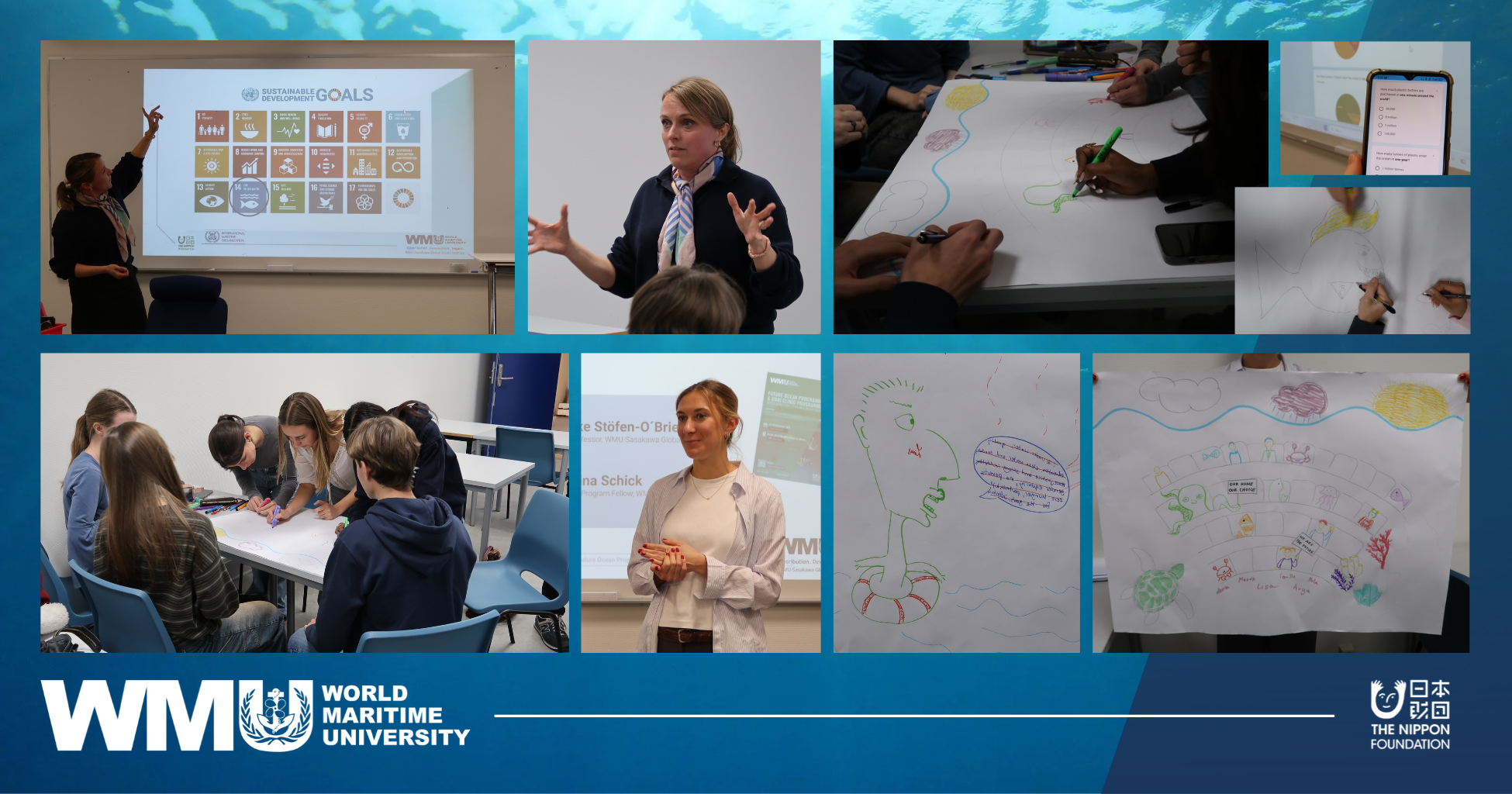
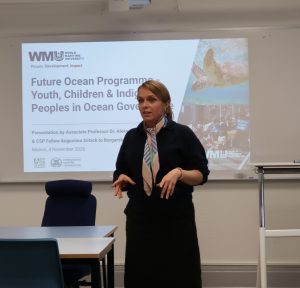
The World Maritime University-Sasakawa Global Ocean Institute (WMU-GOI) delivered a lecture entitled “Future Ocean Programme – Youth, Children in Ocean Governance” on 4 November 2026 at Malmö Borgarskola, engaging students aged 17–19 from the International Baccalaureate Diploma Programme (IB-DP) as part of their Global Politics course. The lecture explored the role of non-state actors in shaping ocean governance, with particular attention to the representation and participation of youth in international decision-making.
Future Ocean Programme lecture
YOUTH, CHILDREN IN OCEAN GOVERNANCE
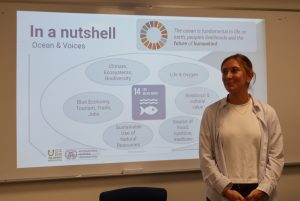
The students examined the Sustainable Development Goals (SDGs), particularly Goal 14 (Life Below Water) and its objective to conserve and sustainably use the oceans, seas and marine resources. Discussions addressed the interconnected challenges of biodiversity loss, climate change and pollution, as well as persistent gaps in the implementation of the SDGs, including fragmented action, limited institutional capacity, insufficient funding and data, and challenges in translating global commitments into effective outcomes. The importance of recognizing the ocean not only as an environmental and economic resource, but also as a source of culture, well-being and inspiration, was highlighted, alongside the need for more inclusive approaches to ocean governance.
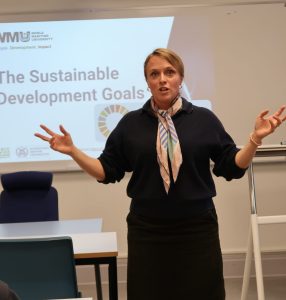
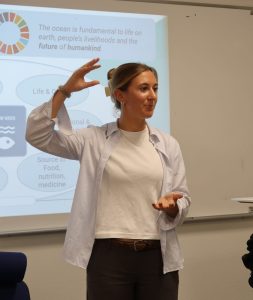
A central theme was the participation of youth in international environmental negotiations. Drawing on her experience in United Nations negotiations, including the negotiations towards a global plastics treaty, Dr. Aleke Stöfen-O’Brien, Associate Professor at WMU-GOI, explored the opportunities and structural barriers affecting youth representation in international decision-making. Discussions highlighted the distinction between being present, having a voice and having the power to influence decisions, emphasizing the importance of meaningful youth representation in shaping policies that will affect future generations.
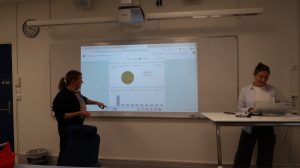
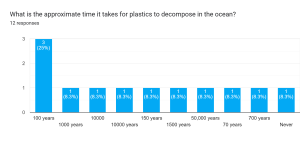
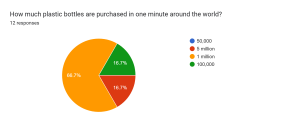
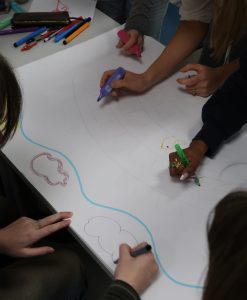
The lecture also encouraged students to reflect on rights-based approaches and ocean governance through a quiz, interactive discussions and a collaborative creative exercise, exploring power dynamics, representation and the role of youths in shaping the future of the ocean.
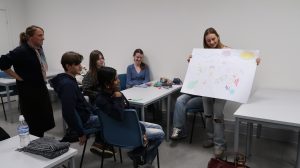
The event was coordinated and planned by Augustina Schick, Carlo Schmid Programme Fellow at WMU-GOI, who further contributed in preparing the presentation material and facilitating the lecture. Contributions were also made by youth engagement facilitator Joshua Viklund Masih. The engagement formed part of the WMU-GOI Future Ocean Programme, under Pillar 2 on Non-State Actors and Rights-Based Approaches. It highlighted the importance of ocean literacy, inclusive decision-making and empowering younger generations to become active participants and advocates for ocean sustainability.
About the world maritime university
The World Maritime University (WMU) in Malmö, Sweden is established within the framework of the International Maritime Organization, a specialized agency of the United Nations. The mission of WMU is to be the world centre of excellence in postgraduate maritime and oceans education, professional training and research, while building global capacity and promoting sustainable development. WMU is an organization by and for the international maritime community and is committed to the United Nations Sustainable Development Goals Agenda.
About the wmu-sasakawa global ocean institute
The World Maritime University’s WMU-Sasakawa Global Ocean Institute (WMU-GOI) is an independent focal point for the ocean science-policy-law-industry-society interface where policymakers, the scientific community, regulators, industry actors, academics, and representatives of civil society meet to discuss how best to manage and use ocean spaces and their resources in accordance with the United Nations 2030 Agenda for Sustainable Development. The Institute was inaugurated in May 2018 and made possible through generous support from The Nippon Foundation of Japan, the Governments of Sweden, Canada, and Germany, as well as the City of Malmö
About the FUTURE OCEAN PROGRAMME
The Future Ocean Programme is funded by The Nippon Foundation and aims to generate knowledge and understanding of how law, political science, and public policy are used to effect change in humanity’s relationship with the ocean to combat the triple planetary crisis of biodiversity loss, climate change and pollution