
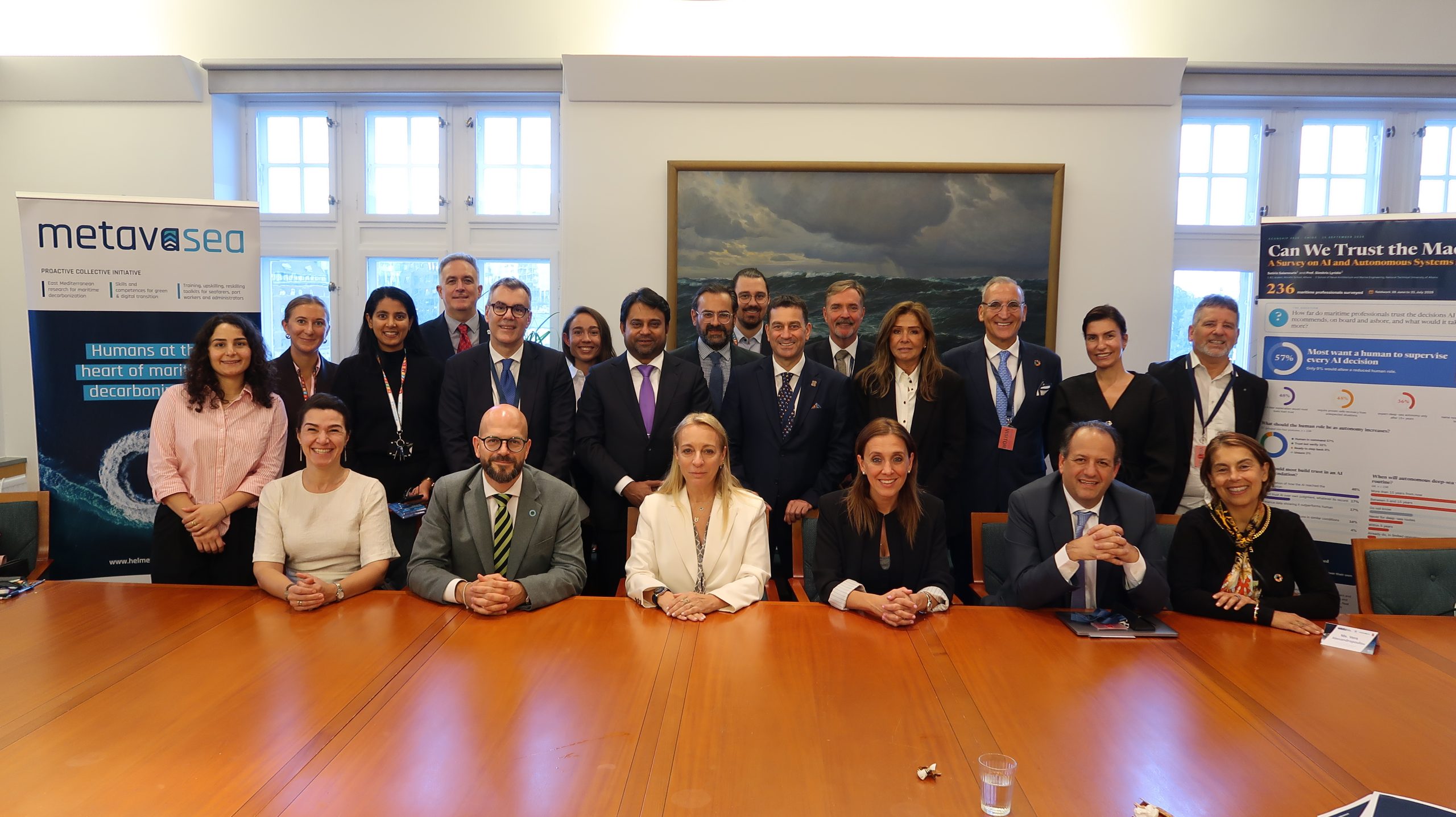
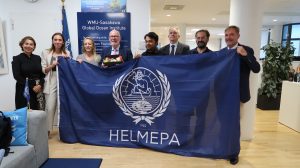
The World Maritime University–Sasakawa Global Ocean Institute (WMU-GOI) hosted the METAVASEA International Workshop, “People-Centred Maritime Decarbonization: From East Mediterranean Findings to Global Pathways”, on 2 October 2026 at WMU in Malmö, Sweden. Organized in collaboration with the Hellenic Marine Environment Protection Association (HELMEPA), the workshop formed part of METAVASEA—“People-centered Transition for Maritime Decarbonization in the East Mediterranean”, with Dr. Tafsir Matin Johansson and Dr. Aspasia Pastra serving as WMU’s Principal Investigators.
people-centred maritime decarbonization
from east mediterranean findings to global pathways
Workshop context
Coordinated by HELMEPA and supported by Lloyd’s Register Foundation, the project addresses the human dimensions of the transition to low- and zero-carbon maritime fuels and technologies. It seeks to equip seafarers, port workers, and maritime professionals with the skills, training, and support needed for this transition, while safeguarding workforce health and safety, the environment, and community livelihoods. The workshop brought together members of the METAVASEA consortium, WMU faculty and alumni, and invited experts to examine the project’s survey findings and their implications for a just and sustainable maritime transition.
panels & participants
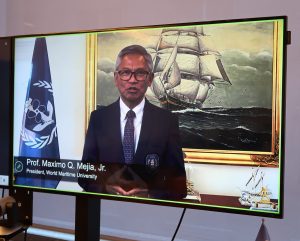
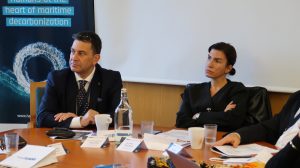
The workshop opened with welcome remarks from Professor Maximo Q. Mejia, President of WMU; Dr. Tim Slingsby of Lloyd’s Register Foundation; Ms. Olga Stavropoulou of HELMEPA; and Professor Ronán Long, Director of WMU-GOI. The speakers emphasized the importance of placing people at the heart of maritime decarbonization, recognizing the experiences and needs of seafarers, port workers, maritime professionals and coastal communities. Their remarks highlighted skills development, accessible training and appropriate support as essential foundations for a safe and sustainable transition.
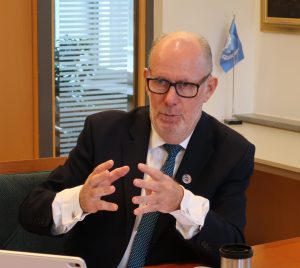
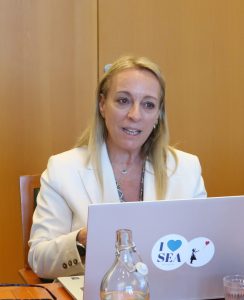
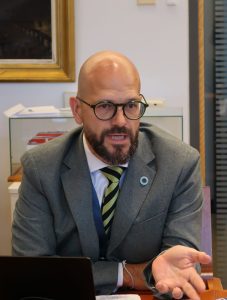
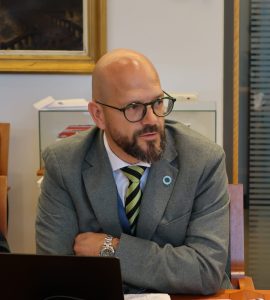
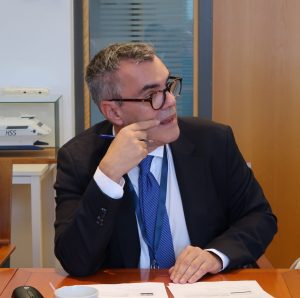
The first panel examined the METAVASEA survey findings and their implications for the future maritime workforce. Moderated by Dr. Tafsir Matin Johansson, the discussion brought together perspectives from HELMEPA, Lloyd’s Register, KNOWL Social Enterprise and Premium Consulting. Drawing on responses from approximately 2,500 seafarers and shipping and port executives, the survey underscored the need for comprehensive maritime training that integrates technical, digital, green and leadership skills. It also highlighted the importance of addressing fatigue and other safety challenges associated with new responsibilities and regulatory requirements. The panel further explored the role of Eastern Mediterranean ports in advancing the green and digital transition.
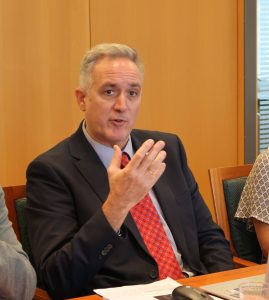
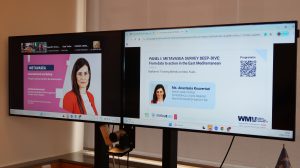
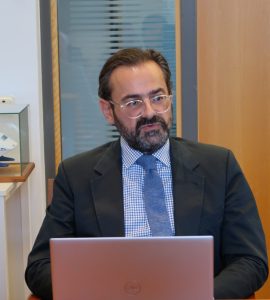
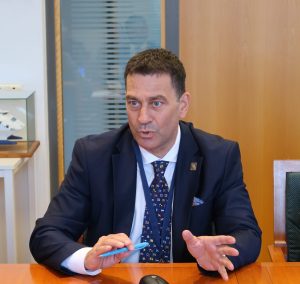
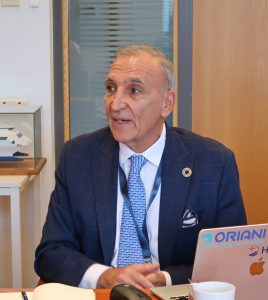
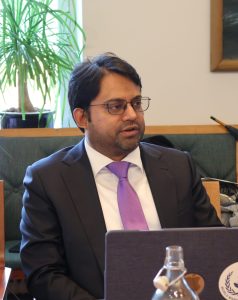
The second panel explored how insights from the Eastern Mediterranean could inform maritime decarbonization in other regions, with discussions spanning maritime education and training, digital skills, technological change and climate justice. Dr. Tim Slingsby called for a renewed learning ecosystem, greater investment in education and training, accelerated digitalization and more meaningful engagement with seafarers in shaping a safe and sustainable ocean economy. Mr. Philip Nielsen of Oriani examined the growing importance of digital skills, while Dr. Ilias Bissia of the University of the Aegean drew on oral histories from the Greek maritime community to illuminate lessons from earlier technological transitions. Dr. Tafsir Matin Johansson addressed climate justice, emphasizing the need to distribute the benefits and burdens of decarbonization fairly.
forthcoming volume
The workshop also previewed the forthcoming Palgrave Macmillan edited volume, People-Centred Transition in Maritime Decarbonization & Climate Justice, a project deliverable by Dr. Johansson, Mr. Triantafyllou and Dr. Pastra. Contributing experts gave video presentations introducing their chapters, showcasing perspectives from the United States, Bangladesh, Canada, Türkiye, India, and Norway.
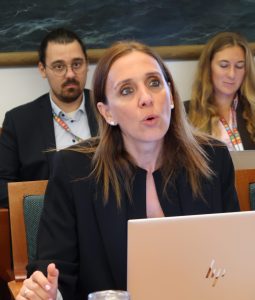
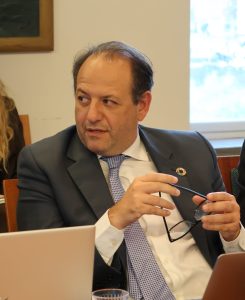
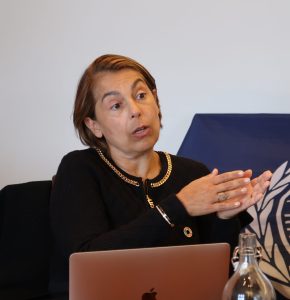
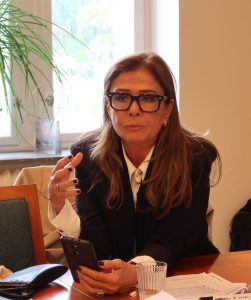
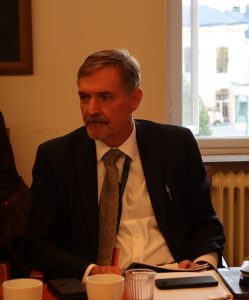
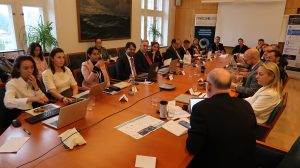
Nearly 200 participants registered for the workshop. Interactive polls and question-and-answer sessions encouraged active participation and idea exchange throughout the event. The discussions reinforced the importance of cooperation across academia, industry, civil society and international organizations, and demonstrated the shared commitment of HELMEPA, WMU and Lloyd’s Register Foundation to advancing people-centered approaches to a just and sustainable maritime transition.
About the world maritime university
The World Maritime University (WMU) in Malmö, Sweden is established within the framework of the International Maritime Organization, a specialized agency of the United Nations. The mission of WMU is to be the world centre of excellence in postgraduate maritime and oceans education, professional training and research, while building global capacity and promoting sustainable development. WMU is an organization by and for the international maritime community and is committed to the United Nations Sustainable Development Goals Agenda.
About the wmu-sasakawa global ocean institute
The World Maritime University’s WMU-Sasakawa Global Ocean Institute (WMU-GOI) is an independent focal point for the ocean science-policy-law-industry-society interface where policymakers, the scientific community, regulators, industry actors, academics, and representatives of civil society meet to discuss how best to manage and use ocean spaces and their resources in accordance with the United Nations 2030 Agenda for Sustainable Development. The Institute was inaugurated in May 2018 and made possible through generous support from The Nippon Foundation of Japan, the Governments of Sweden, Canada, and Germany, as well as the City of Malmö
About the METAVASEA PROJECT
METAVASEA is a four year project coordinated by the Hellenic Marine
Environmental Protection Association (HELMEPA) and supported by the Lloyd’s
Register Foundation. The project trains and upskills 1,500 seafarers, shipping
professionals, and port workers in new fuels, digital awareness, marine environmental awareness, and soft skills. It also boosts the involvement of shipping companies and ports in maritime decarbonization initiatives enhances accident prevention.