
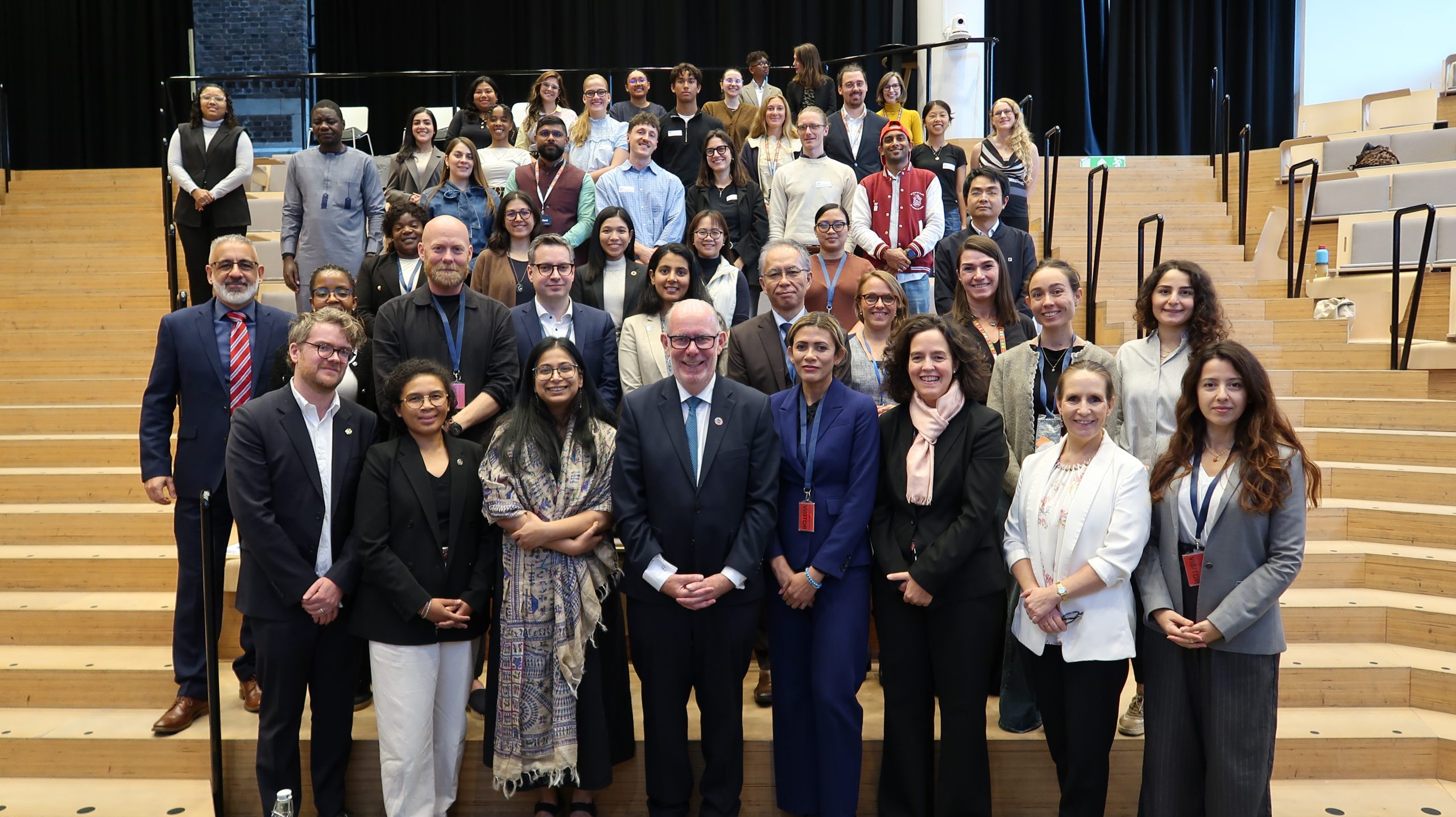
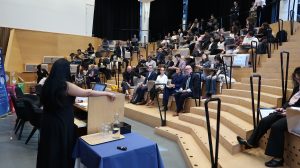
The World Maritime University-Sasakawa Global Ocean Institute (WMU-GOI) hosted the 2026 Öresund International Law Workshop, “Law as a tool for global commons futures,” on 30 September at WMU, in Malmö, Sweden. The event was organized in collaboration with the Faculty of Law of Lund University and the Faculty of Law of the University of Copenhagen, within the framework of the Memorandum of Understanding between Lund University Faculty of Law and WMU, and under the WMU-GOI Future Ocean Programme.
law as a tool for global commons futures
2026 öresund international law workshop
The programme brought together leading international law scholars and researchers to explore how law can shape desirable futures for global commons, with a particular focus on oceans and outer space.
.The workshop opened with an introduction to its topic from Dr. Ríán Derrig (WMU-GOI), followed by a comment from Professor Valentin Jeutner (Lund University) on the origin of the Öresund International Law Workshop series and its role in fostering cooperation among legal researchers across the region. Dr. María Carolina Romero (WMU) welcomed WMU students, many of whom attended the workshop, and spoke about Lund-WMU cooperation while Dr. Olena Bokareva (Lund University) noted the longstanding collaboration between the universities on maritime law topics. Professor Ronán Long (WMU-GOI) formally opened the workshop programme..
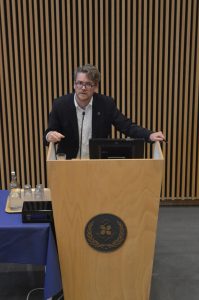
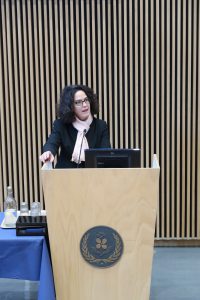
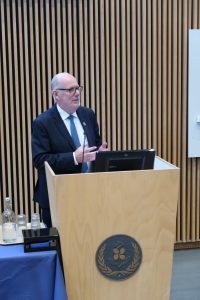
The programme featured a keynote lecture by Professor Surabhi Ranganathan (University of Cambridge), drawing on Indigenous perspectives and the history of colonialism to examine equitable approaches to ocean governance and challenges including deep-sea mining. She also introduced her new project, "Ways of Worldmaking: The Global South and the (Re)Imagination of Global Ocean Governance", in collaboration with HU Berlin and the Max Planck Institute for Comparative Public Law and International Law in Heidelberg. The project, made possible by Prof. Ranganathan’s receipt of the Max Planck-Humboldt Research Award 2025, a prize of 1.5 million euros, will re-examine the law of the sea from a global perspective, with a focus on decolonization
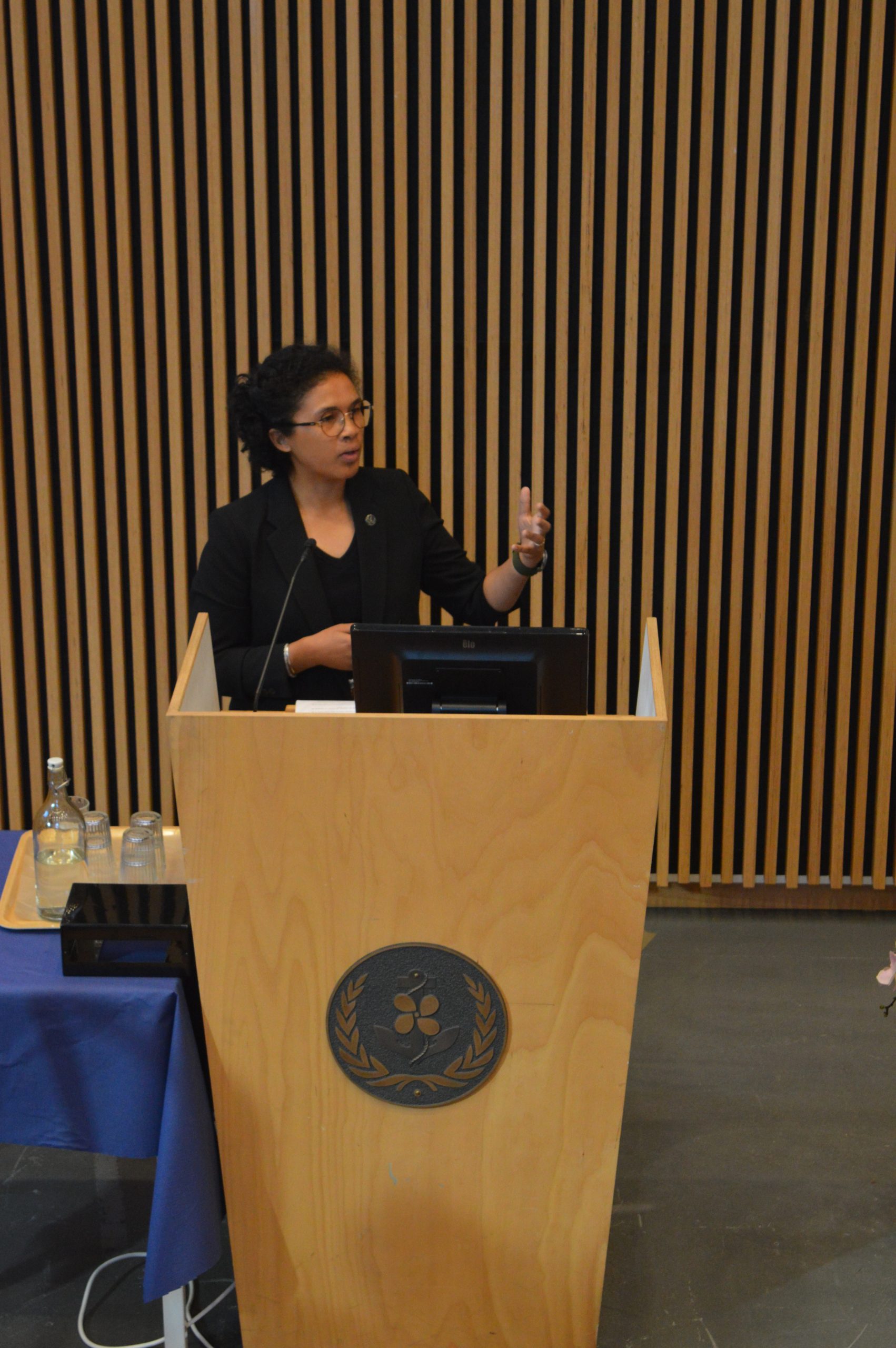
The workshop continued with presentations from Vonintsoa Rafaly (WMU-GOI ) on scenario development to explore plausible futures for ocean governance;
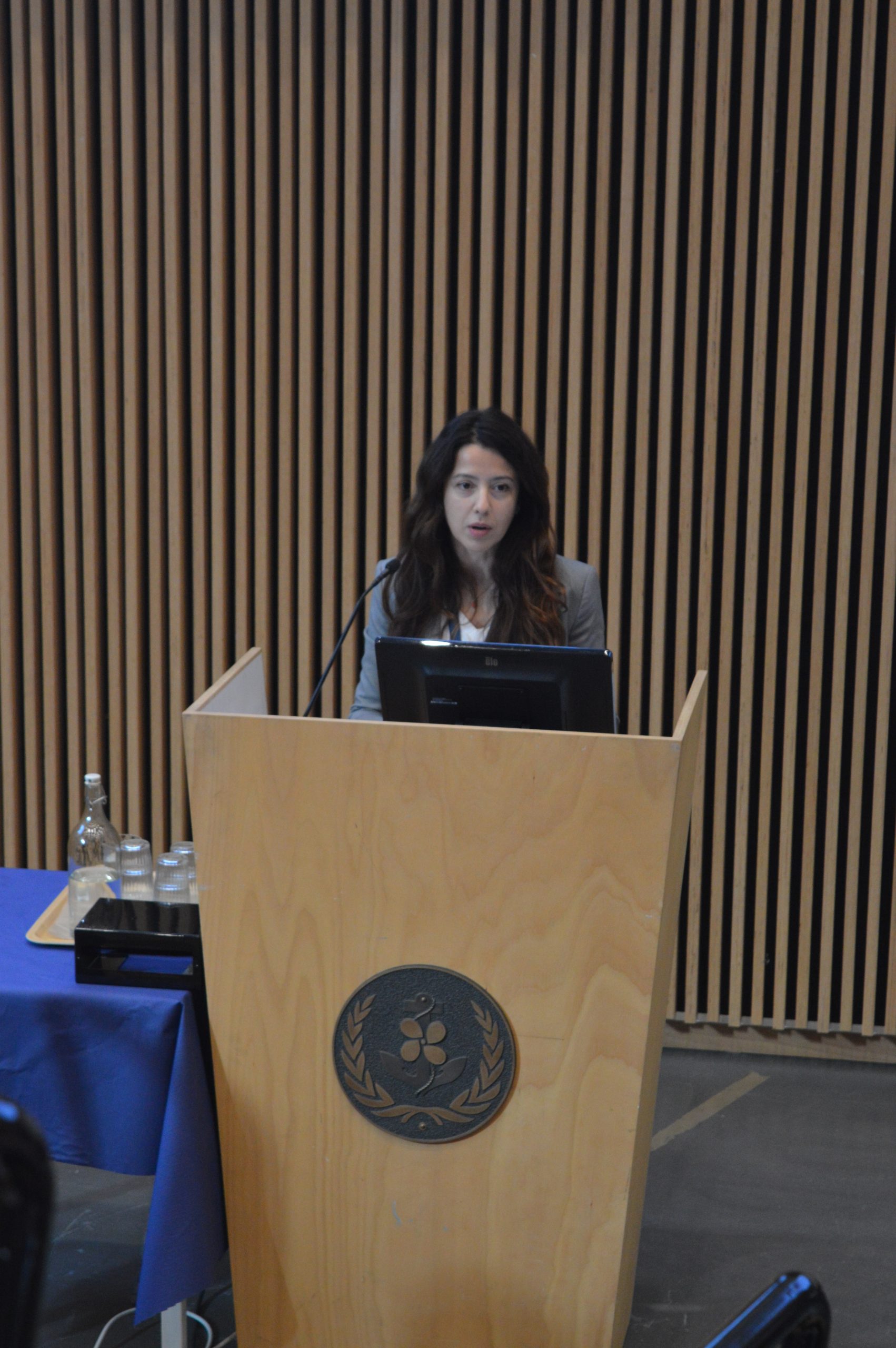
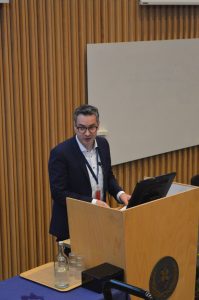
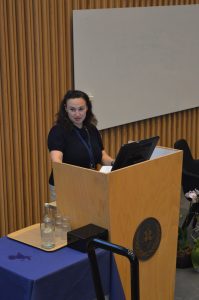
Dr. Beatriz Martinez Romera (University of Copenhagen) on shipping decarbonization, carbon pricing and the need for an equitable and just transition.
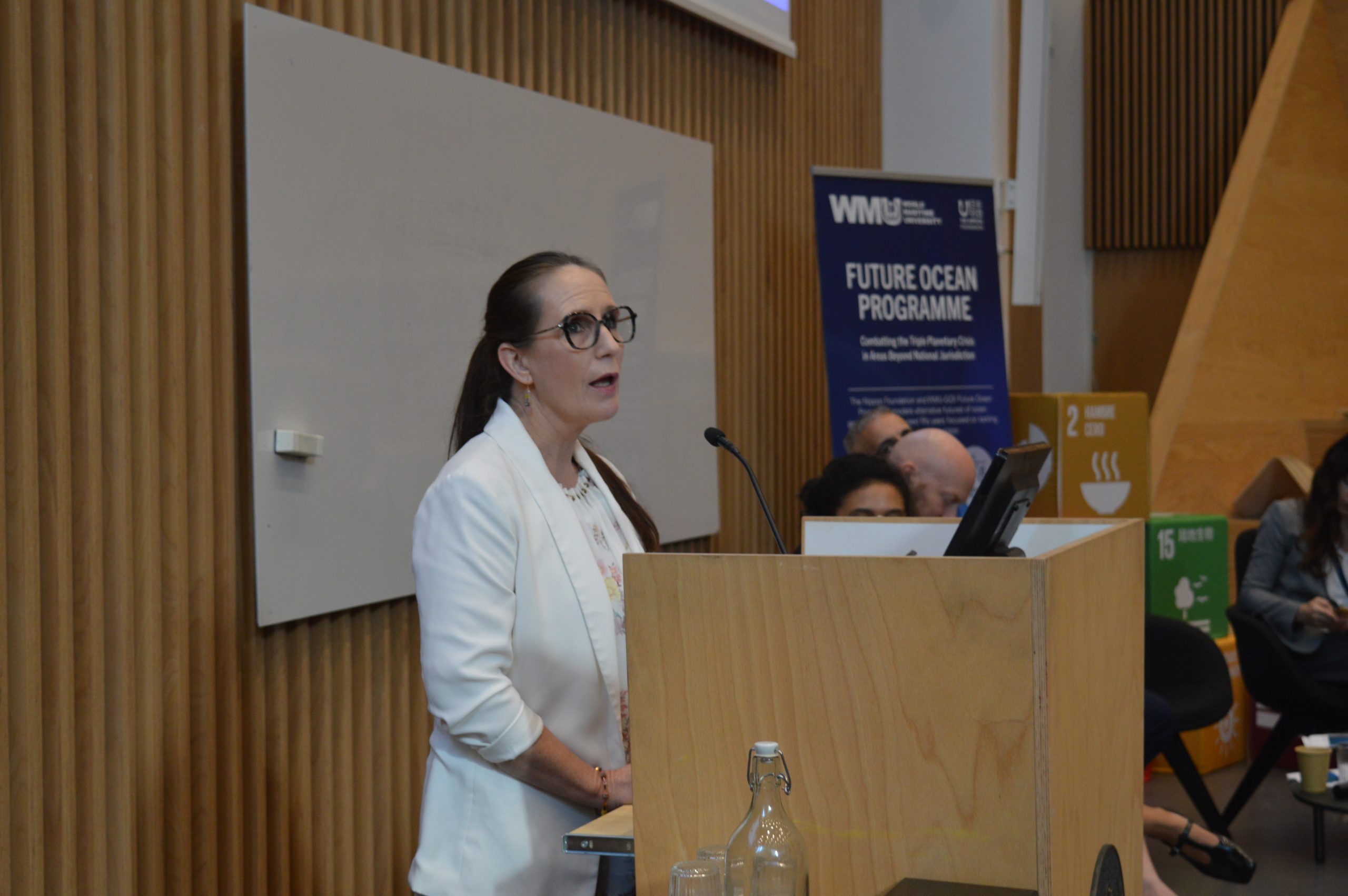
Dr. Tanya Wagenaar (Nelson Mandela University) on the Marine Genetic Resources provisions of the BBNJ Agreement through the perspectives of ocean justice and intellectual property rights
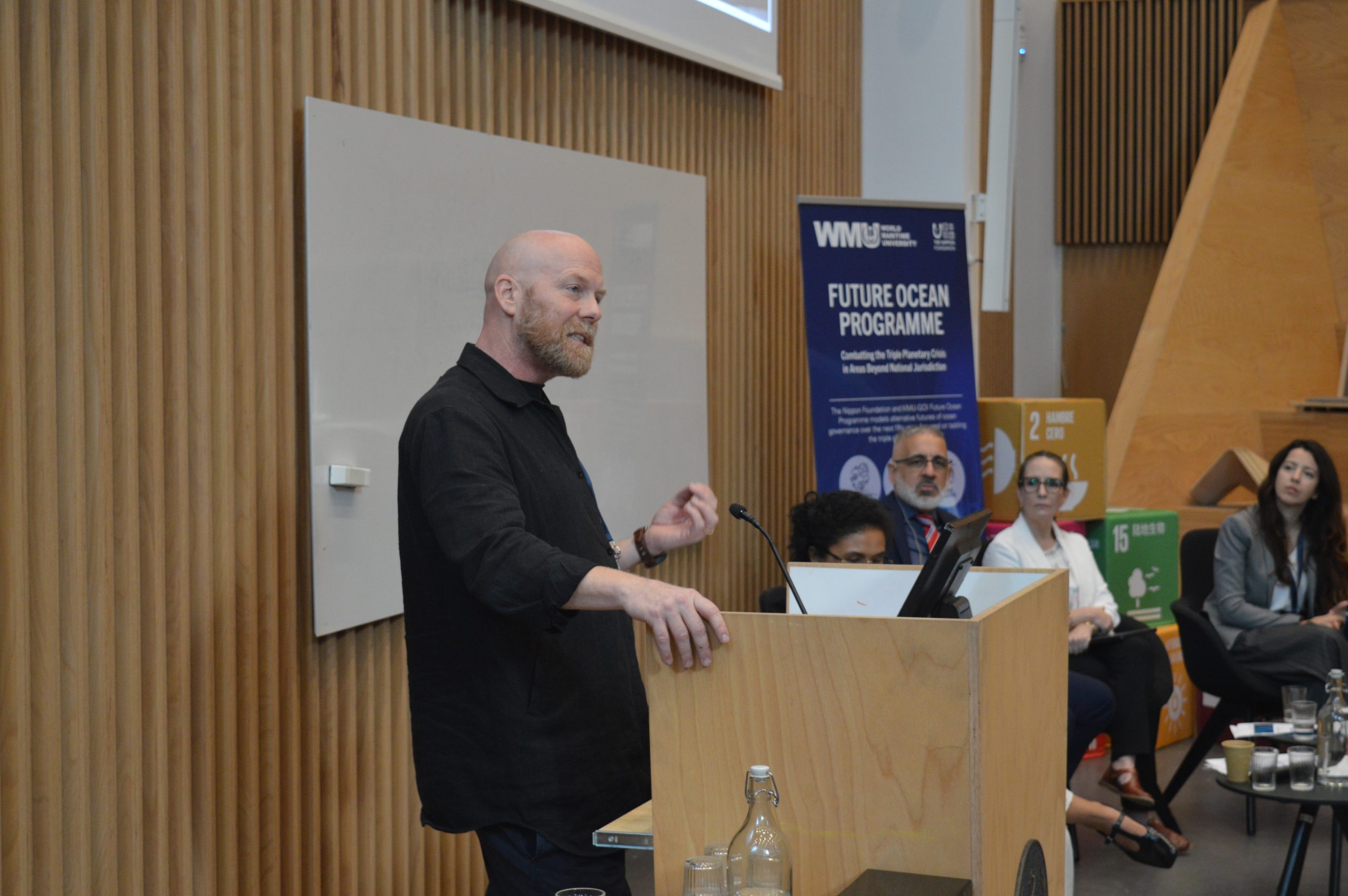
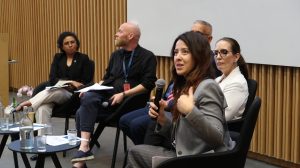
Dr. Markus Gunneflo (Lund University) broadened the discussion beyond the oceans, examining outer space as another global commons and the role of international law in balancing freedom of access, peaceful coexistence, and questions of power and appropriation.
Closing remarks were delivered by Justice Fiona Robinson (Court of Appeal of the Republic of Seychelles), who highlighted the importance of international collaboration in advancing ocean governance and the implementation of the BBNJ Agreement. She reflected on Seychelles’ leadership in the BBNJ process and its support for Small Island Developing States (SIDS).
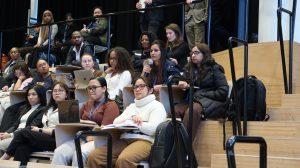
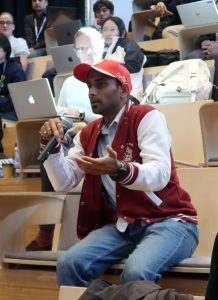
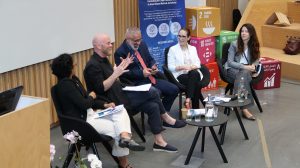
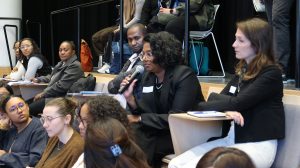
The workshop attracted more than 130 registered participants and generated lively discussion and engagement, including strong participation from WMU students. The exchanges highlighted the contemporary relevance and challenges of using law as a tool to shape desirable futures for global commons.
learn more
FOR MORE INFORMATION ON THE EVENT, PLEASE FIND THE POST-EVENT DOCUMENTS BELOW:
For more information please contact the WMU-GOI at goisecretariat@wmu.se


About the world maritime university
The World Maritime University (WMU) in Malmö, Sweden is established within the framework of the International Maritime Organization, a specialized agency of the United Nations. The mission of WMU is to be the world centre of excellence in postgraduate maritime and oceans education, professional training and research, while building global capacity and promoting sustainable development. WMU is an organization by and for the international maritime community and is committed to the United Nations Sustainable Development Goals Agenda.
About the wmu-sasakawa global ocean institute
The World Maritime University’s WMU-Sasakawa Global Ocean Institute (WMU-GOI) is an independent focal point for the ocean science-policy-law-industry-society interface where policymakers, the scientific community, regulators, industry actors, academics, and representatives of civil society meet to discuss how best to manage and use ocean spaces and their resources in accordance with the United Nations 2030 Agenda for Sustainable Development. The Institute was inaugurated in May 2018 and made possible through generous support from The Nippon Foundation of Japan, the Governments of Sweden, Canada, and Germany, as well as the City of Malmö
About the FUTURE OCEAN PROGRAMME
The Future Ocean Programme is funded by The Nippon Foundation and aims to generate knowledge and understanding of how law, political science, and public policy are used to effect change in humanity’s relationship with the ocean to combat the triple planetary crisis of biodiversity loss, climate change and pollution